

Atlantic Canada is grappling with its third major winter storm in just three weeks, as heavy snowfall, freezing rain, and gale-force winds disrupt daily life across Nova Scotia and Newfoundland and Labrador, straining emergency services and testing regional infrastructure at the height of the winter season.
Provincial authorities have issued repeated travel advisories and storm warnings, urging residents to avoid non-essential movement as road conditions deteriorate and power outages ripple through coastal and rural communities.
What Is Confirmed
Environment and Climate Change Canada reported that the latest system is part of a persistent North Atlantic storm track, funneling moisture-laden air over cold Arctic air masses. This pattern has produced successive snow and ice events across eastern Canada since mid-January.
Local emergency management offices confirmed:
Widespread school and government office closures across multiple districts
Power disruptions affecting thousands of households, particularly in coastal and high-wind zones
Ferry and regional flight cancellations linking Newfoundland with mainland Canada
Snowfall totals in some areas exceeded 30 centimeters (12 inches), with wind gusts reaching levels capable of producing near-whiteout conditions along exposed highways and shorelines.
Impact on Communities
In Halifax, municipal crews worked around the clock to clear arterial roads, while hospitals shifted to contingency staffing models to ensure continuity of care. In rural Newfoundland communities, emergency responders reported delayed access to isolated homes as drifting snow blocked secondary roads.
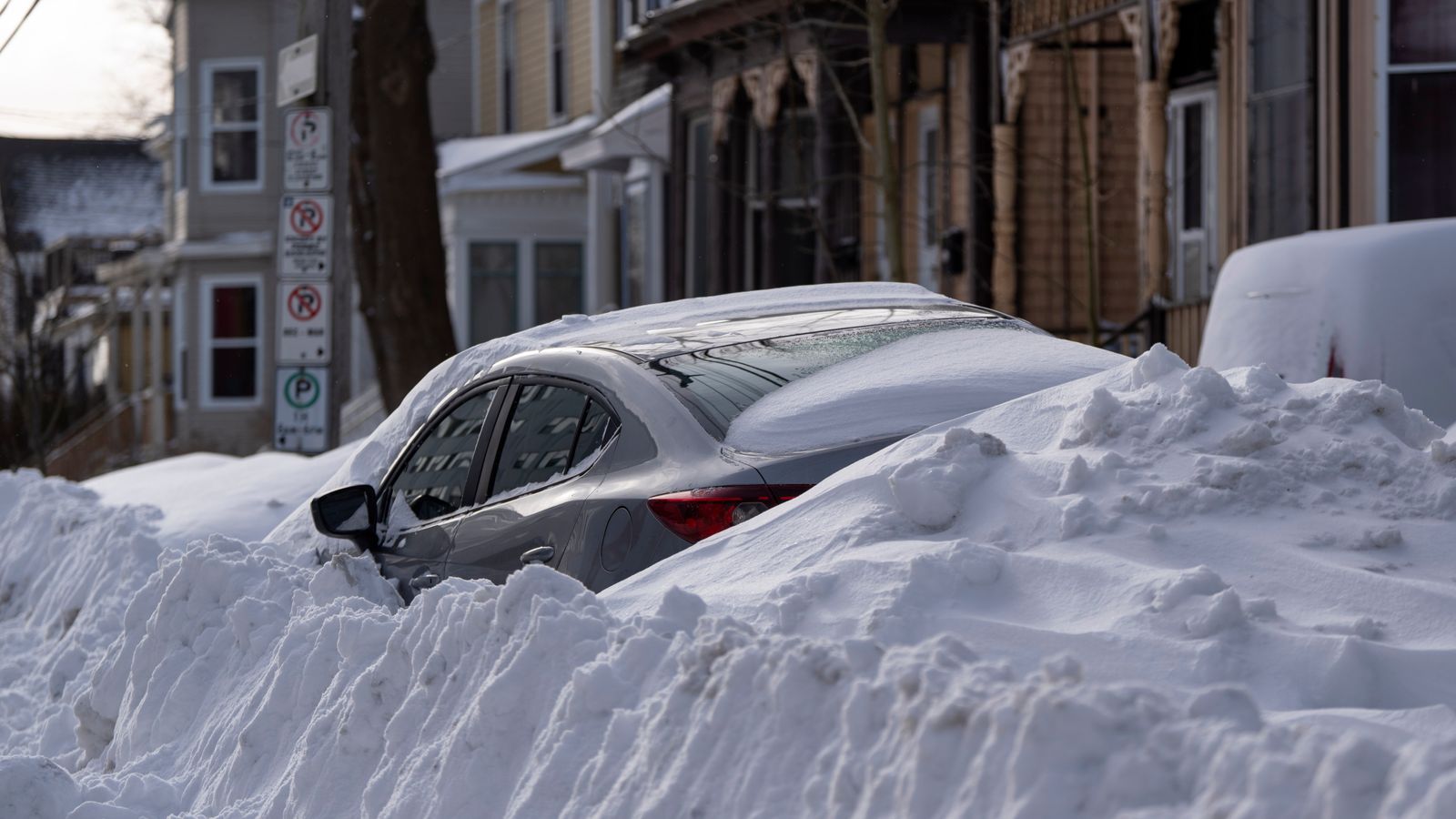
Utilities in both provinces said restoration efforts were complicated by freezing rain and high winds, which increased the risk of downed power lines and damage to transmission infrastructure.
Why This Storm Sequence Is Unusual
Meteorologists note that while winter storms are common in Atlantic Canada, the frequency and clustering of high-impact systems over such a short period is notable. The current pattern is linked to oscillations in the jet stream that allow strong low-pressure systems to repeatedly track along the same corridor.
Climate researchers caution against attributing any single storm to climate change, but point to long-term data showing that warmer ocean temperatures can intensify coastal storms, increasing precipitation and wind potential when cold air is present.
Government and Emergency Response
Provincial governments in both Nova Scotia and Newfoundland and Labrador activated emergency coordination centers, deploying additional snow-clearing equipment and issuing public safety updates through broadcast and digital channels.
Federal agencies confirmed they are monitoring the situation and stand ready to provide logistical support if municipal resources become overstretched.
Economic and Infrastructure Effects
The repeated disruptions have begun to impact:
Supply chains, particularly food and fuel deliveries to island and remote communities
Small businesses, many of which have been forced to close repeatedly due to weather conditions
Transportation networks, with cumulative delays affecting regional commerce and healthcare access
Insurance industry representatives said claims related to property damage and power-related losses are expected to rise as assessments begin.
What to Watch Next
Meteorological forecasts suggest a brief lull in severe weather before another low-pressure system approaches the region later this week. Authorities are urging residents to use the window to restock essentials, clear access points, and prepare for potential further disruptions.


