

At the 68th Annual Grammy Awards in Los Angeles, Bad Bunny solidified a landmark moment in music history as his album Debí Tirar Más Fotos became the first Spanish-language album to win the Grammy Award for Album of the Year, one of the Recording Academy’s most prestigious honours. The achievement marks a major milestone for non-English music on the global cultural stage.
Historic Win at the Grammys
In a ceremony celebrated for its genre diversity and cultural breadth, Debí Tirar Más Fotos topped a field that included acclaimed English-language projects, earning the top prize of the night. The victory not only made Bad Bunny the first artist to carry a Spanish-language record to this achievement, but also underscored the expanding influence of global and Hispanic music in mainstream music awards.
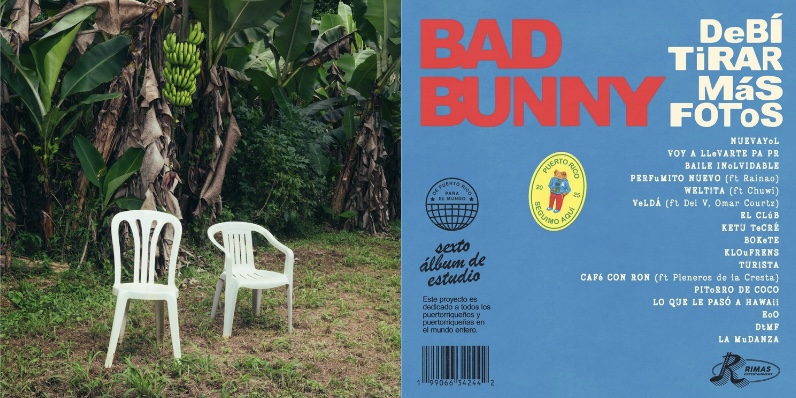
The album, released in 2025 to critical acclaim, blends Puerto Rican folkloric elements with urban and pop sensibilities, reflecting the artist’s distinctive storytelling and thematic depth. With its multiple Grammy wins - including Best Música Urbana Album and Best Global Music Performance - Debí Tirar Más Fotos has emerged as a defining project of Bad Bunny’s career.
Cultural and Industry Significance
Historically, the Grammy Award for Album of the Year has rarely recognised works outside the English-speaking mainstream. Debí Tirar Más Fotos’s win breaks that longstanding pattern, highlighting shifting listening habits as well as the Recording Academy’s evolving approach to global music representation. Previous nominations had signalled rising inclusion; in 2023, the same album became the first Spanish-language record ever nominated in the category. Debí Tirar Más Fotos’s victory now cements that momentum.
Industry analysts say the outcome reflects both Bad Bunny’s massive global streaming footprint and a broader recognition of non-English music’s cultural impact on international audiences. The Recording Academy has reported efforts to diversify its membership and voting base, further contributing to expanded recognition across musical forms.
Artist Response and Acceptance Speech
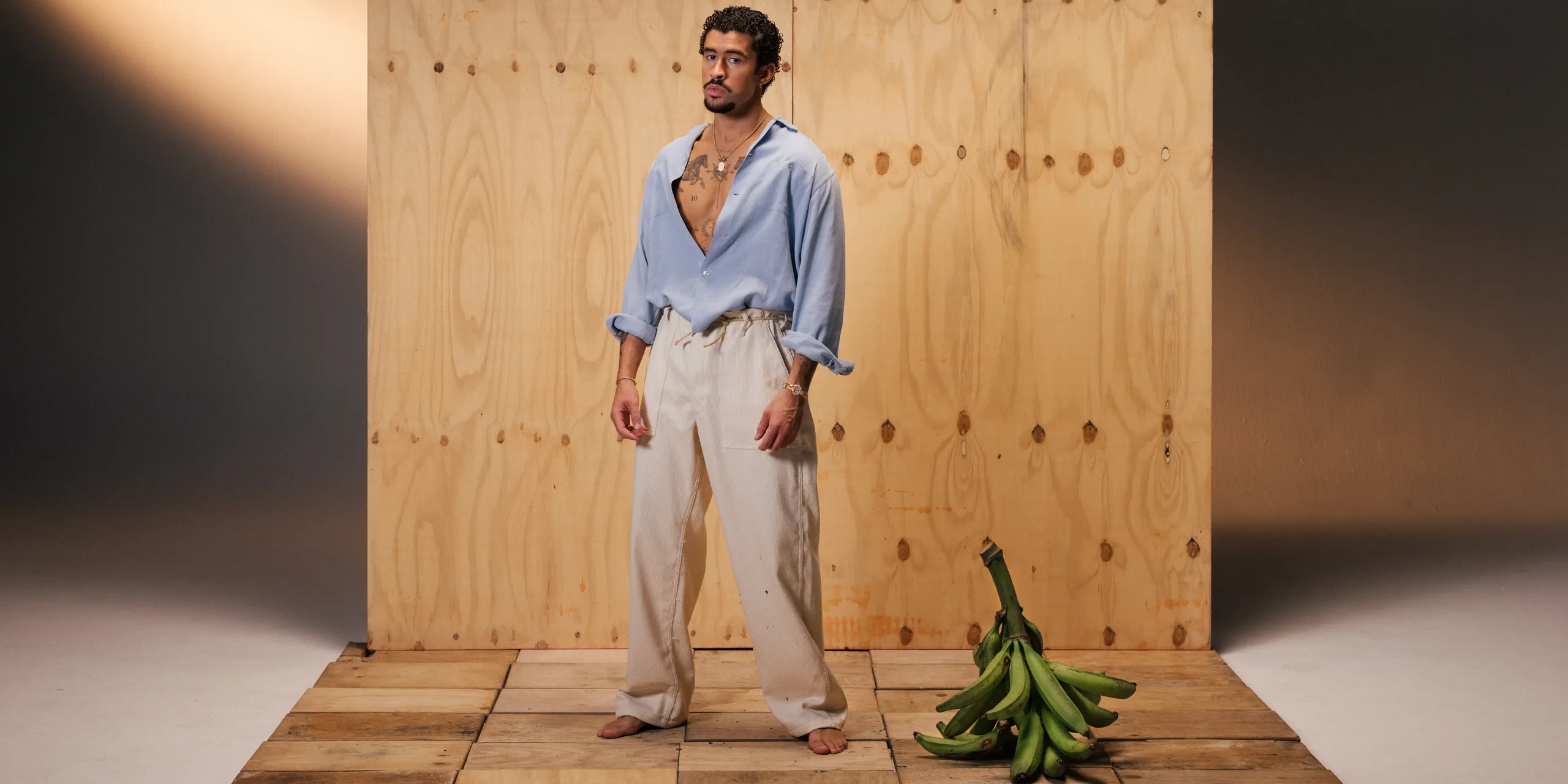
During his acceptance speech, Bad Bunny celebrated the award as a tribute to his Puerto Rican heritage and the wider Spanish-speaking world. He dedicated the honour to immigrants and those pursuing their dreams, delivering much of his remarks in Spanish to widespread applause. The emotional moment resonated across social media and cultural commentary circles, with many calling it a defining statement in Grammy history.
Broader Grammy Highlights
The 2026 ceremony also saw notable wins across genres, with hip-hop powerhouse Kendrick Lamar securing Record of the Year, and celebrated performers such as Lady Gaga and Billie Eilish earning accolades in pop categories. Despite the historic significance of Bad Bunny’s win, the night underscored the Grammys’ broader commitment to genre diversity and cultural breadth.
Why It Matters
Bad Bunny’s Debí Tirar Más Fotos winning Album of the Year represents more than a personal achievement - it signifies a cultural shift. For decades, English-language records have dominated the Grammys’ most prestigious award. This breakthrough reinforces the global music landscape’s interconnectedness, reflecting audiences that increasingly embrace artists regardless of language. It also underscores the music industry’s growing recognition of Spanish-language art as central to mainstream cultural conversation.


