

BMW is preparing to introduce a crossover equipped with a dedicated drift-capable all-wheel-drive setup, signalling a broader shift in how the company blends performance dynamics with SUV practicality. The move builds on BMW M’s existing work in rear-biased AWD systems and torque-vectoring technologies, now being adapted to a segment traditionally prioritised for comfort and versatility rather than driver-focused handling.
Performance Technology Behind “Drift Mode”
Although BMW has not publicly confirmed full specifications for the upcoming crossover system, the underlying engineering principles are already visible across its high-performance M portfolio. BMW’s M xDrive architecture distributes torque variably between front and rear axles, with selectable modes including rear-biased configurations and, in some models, full 2WD operation for controlled oversteer.
In performance sedans such as the M3 and M4, this setup works alongside advanced traction management and drift-analysis software, enabling controlled slides while maintaining electronic safety oversight.
Torque vectoring plays a central role. By actively shifting power between individual wheels, the system can intentionally induce oversteer while stabilising the vehicle during a drift - a technique increasingly used across performance-focused AWD vehicles.
The concept is not entirely new to BMW SUVs either. Models such as the X3 M already feature rear-drive-biased AWD tuning that allows the vehicle to “hang its tail out” under the right conditions, illustrating how crossover platforms can be engineered for dynamic driving behaviour.
A Wider Strategic Shift for BMW
The introduction of drift-oriented functionality in a crossover reflects a broader trend within the performance SUV market. Manufacturers are increasingly trying to combine everyday practicality with sports-car-like engagement, responding to consumers who want both usability and emotional driving appeal.
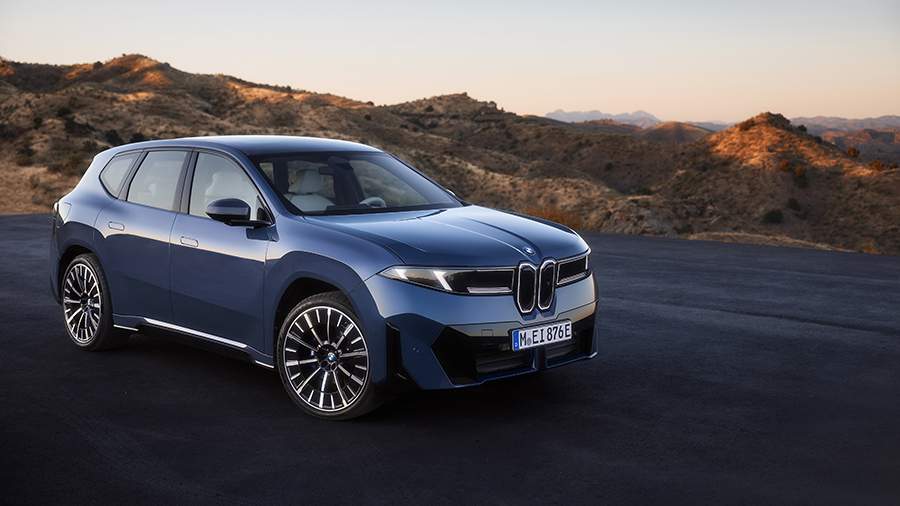
BMW has long explored this balance through its xDrive and sDrive drivetrains, designed to enhance agility and handling precision even in heavier SUV platforms.
With electrification and software-driven dynamics becoming central to vehicle development, future crossover models - including next-generation EVs like the iX3 - are expected to rely even more heavily on digital control systems to shape driving behaviour, from torque delivery to stability management.
Market Positioning and Enthusiast Appeal
Industry analysts see drift-capable crossovers as part of a broader push to make performance accessible in segments where traditional sports cars are declining in sales. By embedding enthusiast-focused features into practical body styles, automakers aim to attract drivers who might otherwise gravitate toward performance coupes or sedans.
The strategy also reflects the growing importance of brand identity in the SUV era: performance credentials remain central to BMW’s image, and extending them into crossovers helps maintain continuity as customer preferences shift.
What Comes Next
BMW has yet to triggering the model name, launch timing, or pricing for the crossover expected to debut with this system. However, given the brand’s trajectory - particularly its investment in torque-vectoring AWD, software-defined dynamics, and electrified platforms - the feature is likely to form part of a broader evolution of performance-oriented SUVs rather than a one-off novelty.
Further details are anticipated in the coming months as BMW formally unveils the model and clarifies how the drift-focused system integrates with its next-generation drivetrain and chassis technologies.


