

Update:
Death Toll Rises as Pakistan Says 145 Militants Killed in Expanded Balochistan Operations
Pakistan’s military has revised its casualty figures upward following a second day of sweeping counter-operations across Balochistan, saying security forces have now killed at least 145 militants in what officials describe as a prolonged, province-wide response to the coordinated attacks that struck multiple districts earlier this week.
According to statements from the Balochistan chief minister and the military’s Inter-Services Public Relations (ISPR) unit, the higher figure reflects follow-up raids and engagements carried out over roughly 40 hours after the initial wave of assaults. Authorities said security sweeps remain ongoing in remote and urban areas, targeting suspected hideouts and logistical networks linked to the attackers.
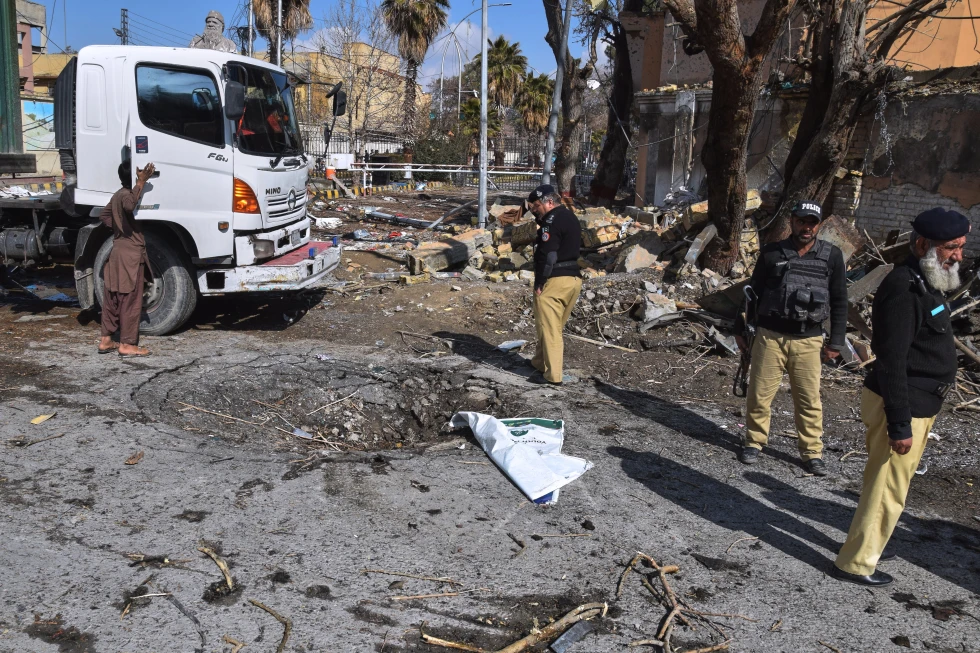
Officials also updated the human toll from the attacks and ensuing clashes, reporting at least 17 security personnel and around 31 civilians killed, raising the combined death count in this episode to nearly 200 people, including militants. Independent verification remains limited due to restricted access in several affected districts.
The government has reiterated accusations that the attackers were supported and directed from outside Pakistan, claims that India has again denied. Heightened security measures, including expanded patrols and localized communications restrictions, remain in place as authorities continue combing operations across the province.
Pakistan’s military said it killed at least 92 militants after a wave of coordinated attacks across 12 locations in Balochistan, in one of the most lethal single-day escalations in the restive province in years. The military said 15 security personnel were killed during ensuing clearance operations, while at least 18 civilians - including women and children - died in attacks that authorities say deliberately targeted non-combatants.
The Baloch Liberation Army (BLA), a banned separatist group, claimed responsibility and described the assaults as a coordinated campaign conducted simultaneously across multiple districts. Pakistani authorities rejected the group’s casualty claims and said the attacks were repelled by security forces already on heightened alert amid a broader surge in militant violence in the southwest.
What happened
According to Pakistan’s military public-relations wing, Inter-Services Public Relations, the attackers struck 12 different locations in Balochistan with a mix of tactics that included gun assaults and suicide attacks, prompting firefights and hours-long “clearance operations” by army units, police and counterterror teams. The military said the 92 militants killed included three suicide bombers.
International and local reporting described a broad target set: security installations such as police stations and paramilitary posts, infrastructure including rail lines, and civilian sites caught in the crossfire or directly attacked.
One of the deadliest incidents unfolded in and around Gwadar, where militants attacked a camp housing migrant workers, killing 11 people, according to accounts citing Pakistani officials and the military. Security forces later killed six militants in that area, the reports said.
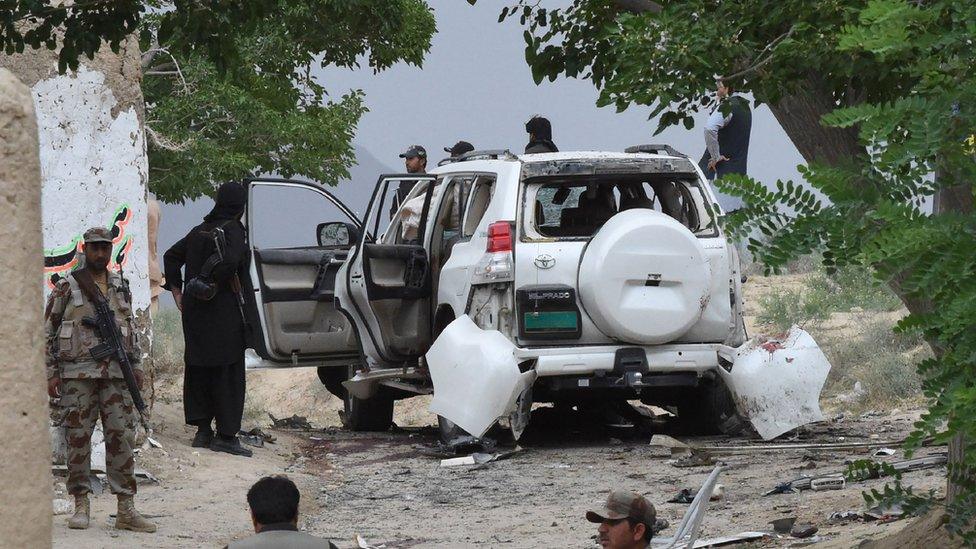
The competing claims
The BLA, in statements relayed by multiple outlets, asserted it had inflicted heavy losses on Pakistani forces - including a claim of killing dozens of personnel over roughly 15 hours of fighting - and portrayed the assaults as a show of operational reach across the province. Pakistani authorities disputed those assertions, saying the attacks were foiled and that the militant death toll was substantially higher than any losses suffered by the state.
Such duelling narratives are a recurring feature of the Balochistan conflict: militant groups often issue rapid claims of responsibility and casualty totals, while the state releases its own assessments after security operations. Independent verification in remote districts can be difficult, particularly while operations remain ongoing and access is restricted.
Government response and accusations
Pakistan’s interior minister and other officials publicly accused India of backing or directing the militants - an allegation Islamabad has made before in relation to separatist violence in Balochistan. India has denied such claims, according to reporting that cited Pakistani statements and noted New Delhi’s past rejections of similar accusations.
The military said the attacks were “orchestrated” by ringleaders operating from outside Pakistan and alleged real-time direction to attackers on the ground — assertions it said were based on intelligence.
Why it matters
Balochistan - Pakistan’s largest province by area and among its least developed — sits at the center of a long-running insurgency rooted in grievances over political representation, resource control and the distribution of revenues from mineral wealth and infrastructure projects. Militant outfits, including the BLA, frame attacks as resistance against the Pakistani state and what they describe as exploitation by outside actors, while the government characterizes the violence as terrorism aimed at destabilizing the country and derailing development.
The scale and coordination described in official accounts - attacks across 12 locations with multiple strike types - underscores a key concern for Pakistani authorities: insurgent groups’ ability to mount dispersed operations that stretch security resources across vast terrain, including major nodes such as Quetta and coastal districts tied to strategic infrastructure.
What we can verify now
Based on reporting from multiple independent outlets and local coverage citing official briefings, the most consistently reported, corroborated figures at this stage are:
92 militants killed, per Pakistan’s military.
15 security personnel killed, per Pakistan’s military and national reporting.
At least 18 civilians killed, including women and children, per Pakistan’s military and international reporting.
Total deaths around 33 (18 civilians + 15 security personnel) as a minimum confirmed toll from the attacks themselves, with the militant fatalities reported separately as the outcome of the security response.
Officials and some outlets also reported a higher two-day militant death toll in the province when including prior operations, but those figures vary by source and timeframe and are still being clarified through subsequent briefings.


