

Ferrari is preparing to launch its first fully electric vehicle, marking one of the most consequential technological shifts in the company’s history. The move places the Italian marque alongside rivals already transitioning toward electrified performance, while forcing a brand long defined by combustion engines to reinterpret its identity for the electric era.
Strategic Shift Towards Electrification
Ferrari’s entry into the EV market forms part of a broader long-term strategy rather than a sudden pivot. The company has invested heavily in electrified technology, including the construction of a dedicated “E-Building” facility in Maranello designed to produce electric motors, battery packs, and hybrid systems alongside traditional powertrains.
Executives have positioned electrification as an addition to Ferrari’s portfolio rather than a replacement for its heritage engines. The brand aims for a future lineup combining internal-combustion models, hybrids, and fully electric vehicles, with around 20% expected to be fully electric by 2030.
This measured approach reflects Ferrari’s balancing act: complying with tightening global emissions regulations while preserving the performance identity that defines the brand.
The First Electric Ferrari: What We Know
Ferrari’s debut EV — now widely reported to be called the “Luce” - is expected to enter production in 2026 and represents the company’s first true battery-electric production car.
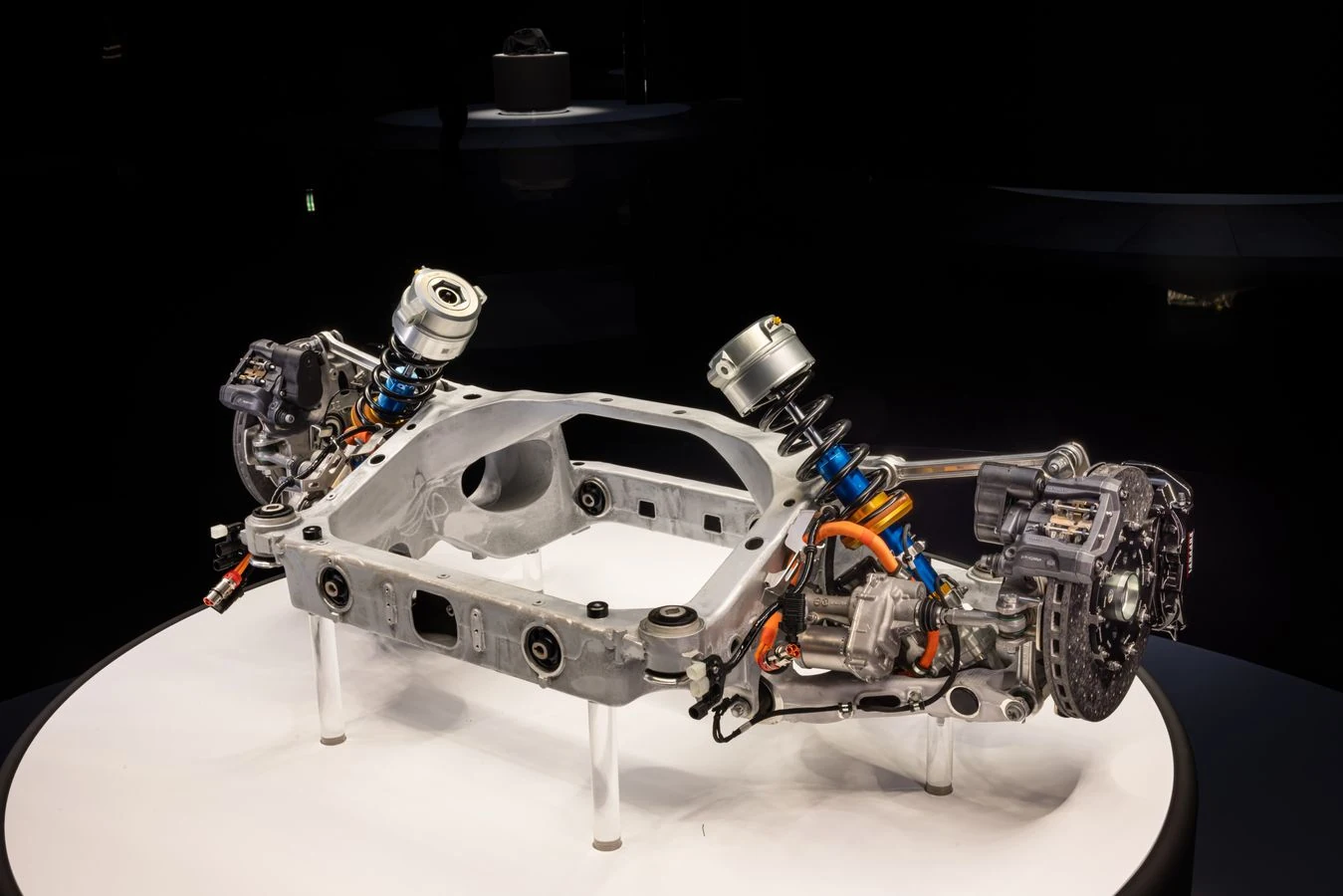
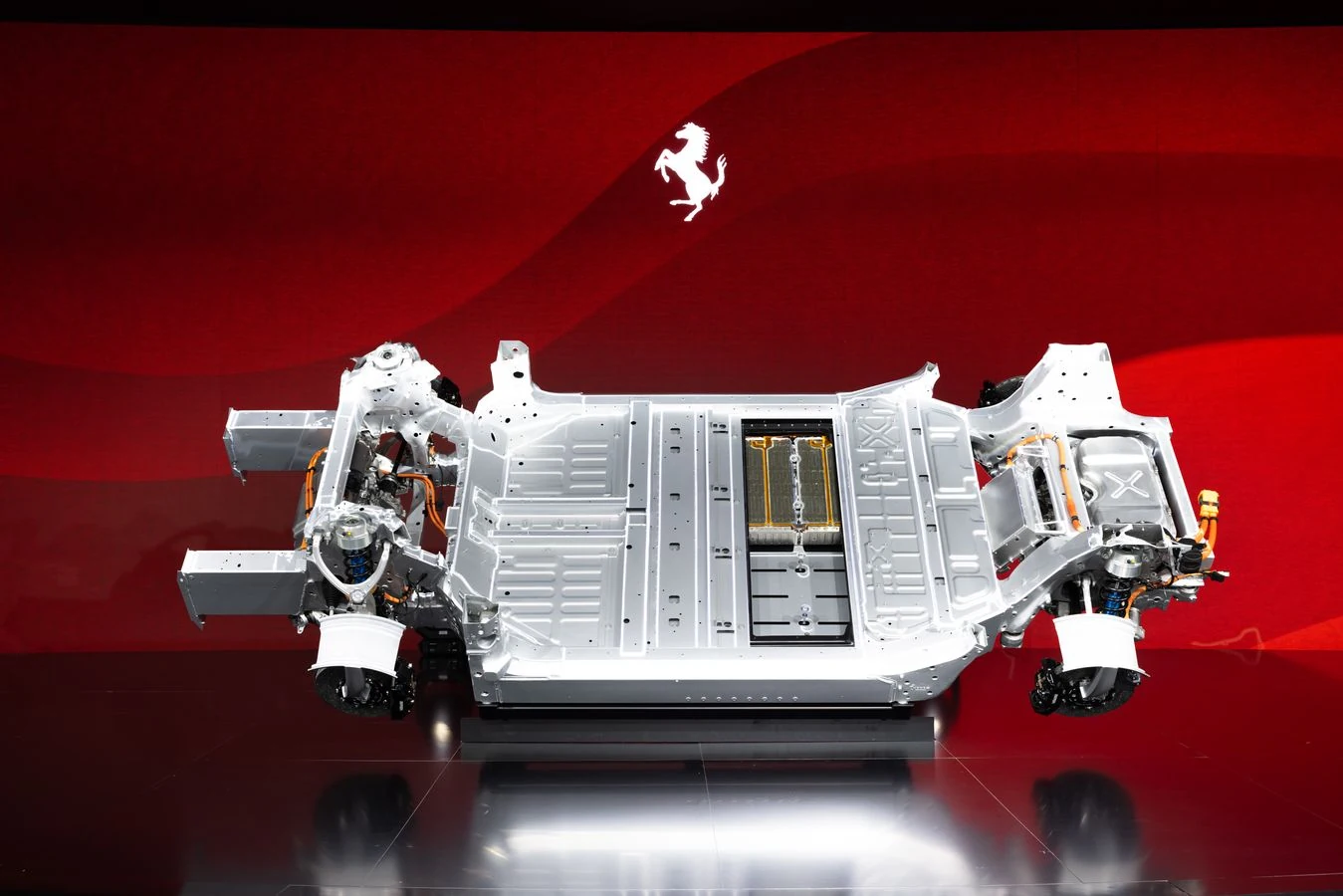
Early technical disclosures indicate a quad-motor, all-wheel-drive layout producing over 1,000 horsepower, paired with a large battery pack capable of delivering more than 300 miles of range. Acceleration is projected to rival Ferrari’s fastest combustion models, with 0–60 mph times around 2.5 seconds.
The vehicle will be built on a bespoke high-voltage EV architecture developed specifically for Ferrari performance requirements and assembled at the Maranello E-Building facility.
Design and Brand Identity in the Electric Era
Ferrari has emphasized that its first EV will retain the emotional and tactile qualities associated with its sports cars. Early previews highlight a cockpit blending digital interfaces with physical controls and premium materials, developed in collaboration with design firm LoveFrom, led by former Apple designer Jony Ive.
The approach signals Ferrari’s intent to differentiate its EVs from the minimalist, touchscreen-dominated interiors common in the segment, preserving the sense of mechanical engagement that defines the brand’s driving experience.
Market Context and Industry Pressure
Ferrari’s move into electrification follows similar transitions across the luxury performance sector, with competitors such as Porsche and Lamborghini investing heavily in EV platforms. The shift is driven by emissions regulations, evolving customer expectations, and the need to remain technologically competitive in a rapidly changing industry.
However, demand for high-performance electric supercars remains uncertain. Industry reports suggest Ferrari is proceeding cautiously, focusing first on a limited-volume debut model before expanding its EV lineup more broadly.
Market Impact and Expectations
The launch of Ferrari’s first EV is expected to generate intense interest among enthusiasts and investors alike. Beyond being a new model, it represents a test case for whether the emotional appeal of Ferrari - sound, sensation, and heritage - can be translated into an electric format.
If successful, the project could accelerate electrification across the ultra-luxury segment, where brand credibility often shapes consumer acceptance. If it struggles, it may reinforce the challenges of adapting traditional performance marques to battery-powered mobility.
What Comes Next
Ferrari has signalled a phased rollout for the vehicle, with a staged reveal process and customer deliveries anticipated after the full unveiling. The debut model is likely to serve as a technological showcase rather than a mass-volume product, informing the brand’s future EV investments and development roadmap.
For Ferrari, the transition is less about abandoning its past than redefining performance for a new generation - proving that the spirit of the Prancing Horse can survive even without the roar of a combustion engine.


