

France’s minority government under Prime Minister Sébastien Lecornu is facing deep political gridlock as debates over the 2026 budget drag on in the Assemblée nationale. With no party controlling a majority after the 2024 snap election, attempts to build a governing coalition have failed to secure parliamentary approval for key fiscal measures, prompting the government to use controversial constitutional powers to force parts of the budget through. The stalemate underscores broader political fragmentation and raises questions about fiscal governance in Europe’s second-largest economy.
What Happened
Following years of political instability triggered by the June 2024 snap legislative election that produced a hung National Assembly, France’s attempt to pass its 2026 budget has hit major roadblocks. No single bloc - neither President Emmanuel Macron’s centrist Ensemble alliance nor the left-wing New Popular Front nor the far-right National Rally - controls a majority, leaving successive governments in fragile minority positions.
After months of negotiations on the draft finance bill, parliament failed to adopt the budget by vote, with disputes over revenue measures and deficit targets. In response, Prime Minister Sébastien Lecornu, leading another minority government, announced in mid-January that he would invoke Article 49.3 of the French Constitution - a contentious executive mechanism that allows the government to pass bills without a vote unless a motion of no confidence succeeds.
On January 27, 2026, the government survived two no-confidence votes tied to its unilateral adoption of the expenditure portion of the budget, with motions from left-wing parties including France Unbowed and far-right groups falling short of the necessary majority. The budget has since proceeded to the Senate and is expected to be finalized by mid-February.
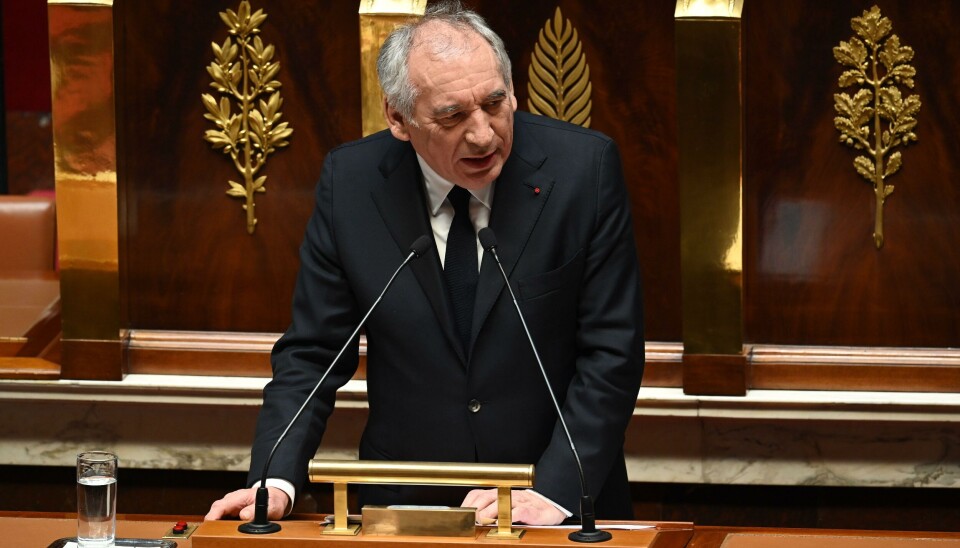
France has already started the year under a special “rollover” finance law that keeps essential state functions funded while the full budget is concluded - much like a temporary extension used at the end of 2024.
Why It Matters
1. Parliamentary Fragmentation and Governance Strain
The political deadlock in the National Assembly reflects deep electoral fragmentation. With Macron’s centrist bloc weakened and unable to build a stable coalition, France has cycled through multiple minority governments, and the reliance on constitutional tools like Article 49.3 signals a difficulty in forging cross-party consensus in Paris.
2. Fiscal Authority vs. Democratic Norms
Using Article 49.3 to force budget approval without a vote is controversial. Intended as a procedural backstop, it is now being deployed repeatedly - potentially undermining the legislature’s role in scrutinising fiscal policy. Parties opposed to the budget have framed its use as bypassing democratic debate.
3. Economic and Market Implications
France is under pressure to reduce its budget deficit - targeted at under 5% of GDP for 2026 - but political resistance to spending cuts or tax changes complicates fiscal consolidation. Investors and ratings agencies monitor these developments closely, since prolonged uncertainty can affect borrowing costs and confidence in public finances.
4. Public Services and Social Union Pressure
Civil service unions and public sector groups have tracked the budget standoff with concern, as prolonged uncertainty can delay agreed pay deals and funding for social programs. Historically, budget debates in France also spark broader public protests, though this cycle has so far been largely confined to legislative corridors.
Current Status and Next Steps
Caretaker Budget and Constitutional Tools
France is operating under a temporary finance law while the full 2026 budget is finalized. By law, the government initially has 70 days to present and parliament to examine the budget after it is submitted - a window that often stretches with procedural complications.
Article 49.3 in Play
With parliamentary agreement proving elusive, the executive branch has leaned on Article 49.3. Each use invites possible no-confidence motions, but recent ones have failed, allowing the budget process to continue.
Political Responses
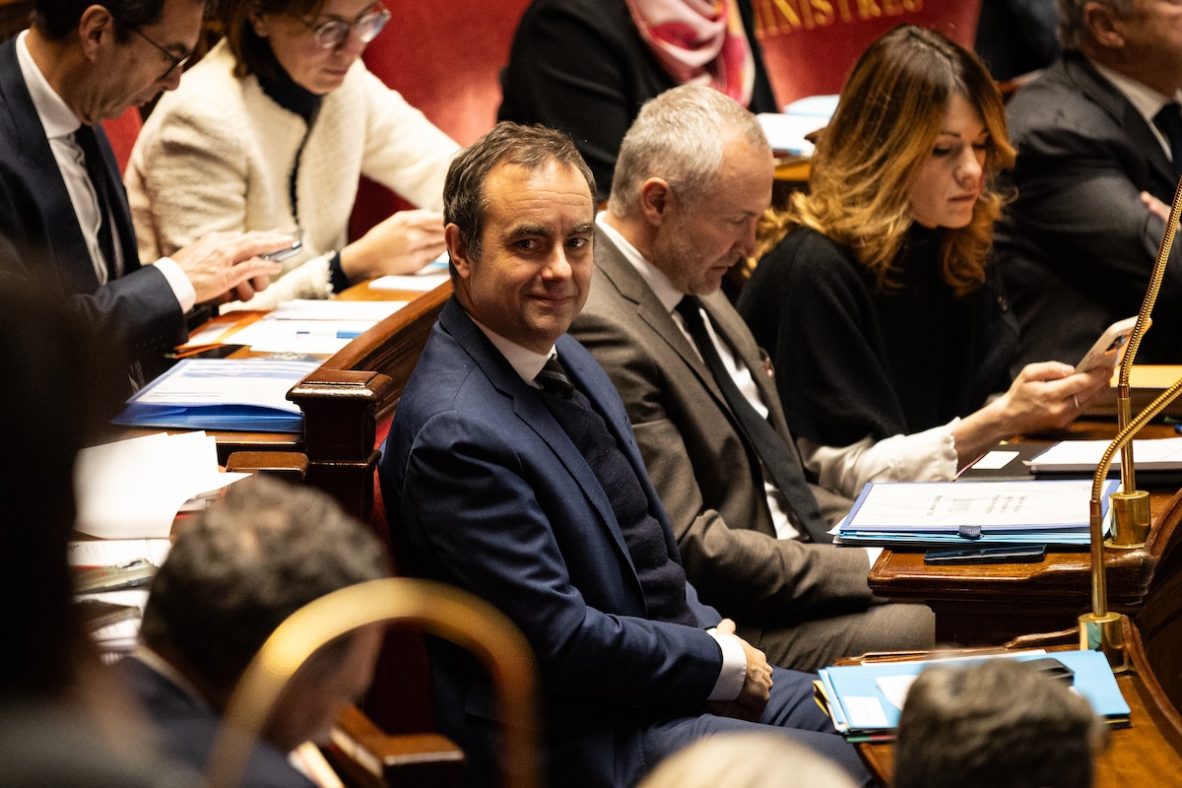
Party leaders have been issuing statements after emergency caucus meetings, with left-wing factions voicing criticism of the government’s tactics and right-wing groups decrying concessions in the budget deal. Those dynamics will shape whether further no-confidence attempts emerge, and how parties position themselves ahead of municipal and senatorial elections later this year.
What to Watch Next
Further Leadership Statements: Watch for announcements by Lecornu and leaders of major blocs (Socialists, New Popular Front, National Rally) on negotiating positions and electoral strategy.
Senate Review: The Senate’s amendments and eventual reconciliation with the Assemblée will influence the final budget text.
Market Indicators: Bond yields, credit ratings, and investor sentiment on French sovereign debt may respond to political signals.
Union and Public Sector Reactions: Potential labor actions or public demonstrations could emerge if budget outcomes impact services or employment.


