

A record-setting Sunday in Parliament
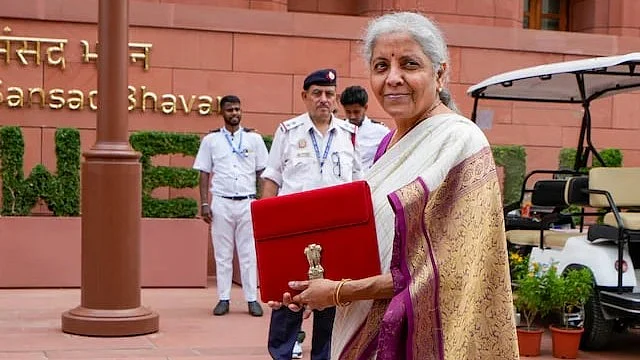
Finance Minister Nirmala Sitharaman made parliamentary history on February 1, 2026, presenting her ninth consecutive Union Budget in the Lok Sabha-a run that establishes a new benchmark for consecutive budgets by a finance minister.
The date also carried a procedural milestone: the Union Budget was presented on a Sunday for the first time in independent India’s fiscal history, reflecting how the government’s fixed February 1 budget calendar can now intersect with weekends as the years roll forward.
The fiscal message: spend for growth, signal discipline
Budget documents underline a continued emphasis on public investment while tightening the deficit path. The official “Key Features” note estimates the fiscal deficit at 4.3% of GDP in Budget Estimates (BE) for 2026–27, with a debt consolidation trajectory that brings the debt-to-GDP ratio down modestly versus the revised estimates for the prior year.
On the spending side, the government set a record infrastructure outlay of 12.2 trillion rupees for 2026–27-an 11.4%increase year-on-year-framing capex as a core lever for jobs, demand, and longer-run productivity.
Centre-state finances: 41% share retained
A key federalism headline: the budget maintains states’ share of federal taxes at 41% for 2026-31, alongside ₹1.4 trillionin finance commission grants, even as some states had pressed for a larger share amid rising expenditure pressures.
What to watch next
With the speech now published in full on the official budget portal, attention shifts to three near-term tests: how quickly ministries convert capex allocations into project awards, whether the fiscal-deficit glide path holds amid global volatility, and how states respond to the finance commission framework in their own budgets.


