

Iran’s top leadership warned on Sunday that any U.S. military action against the Islamic Republic would trigger a wider “regional war,” sharpening rhetoric as Washington boosts its naval posture in the Middle East and as Iranian authorities investigate a deadly explosion in the southern port city of Bandar Abbas.
The warning, attributed to Supreme Leader Ayatollah Ali Khamenei in Iranian state media and carried by international outlets, comes amid a fast-moving standoff that has mixed threats with signals of possible renewed talks. Reuters reported that both sides have indicated some openness to negotiations even as the U.S. administration considers options that include targeted strikes, and as Iran frames U.S. pressure as an effort to destabilize the country.
What happened in Bandar Abbas
On Saturday, an explosion struck a building in Bandar Abbas, killing at least two people and injuring 14, Iranian state media reported. Local fire officials said a gas leak was the preliminary assessment, with more details promised by investigators. Reuters verified the location of circulating video showing debris and damaged vehicles, but said it could not independently confirm when the footage was recorded.
Bandar Abbas sits on the Strait of Hormuz, a chokepoint through which roughly a fifth of the world’s seaborne oiltransits, and it is home to Iran’s most important container port complex. The city’s strategic location amplifies market and security sensitivity whenever incidents occur in the area, even when authorities attribute them to accidents rather than sabotage.
Iranian officials also moved to tamp down speculation around the blast. A semi-official outlet described as close to Iranian authorities dismissed social-media claims that a senior Revolutionary Guard naval commander had been targeted. Two Israeli officials told Reuters Israel was not involved, and the Pentagon did not immediately respond to a request for comment, according to the same report.
Tehran’s warning and the wider confrontation
Against that backdrop, Khamenei’s remarks framed U.S. threats as coercive and warned of escalation if Iran is attacked. In Reuters’ account, he said Iran does not seek to initiate conflict but would respond forcefully to any harassment or attack -language echoed by coverage from the Associated Press describing the warning as a “regional war” trigger.
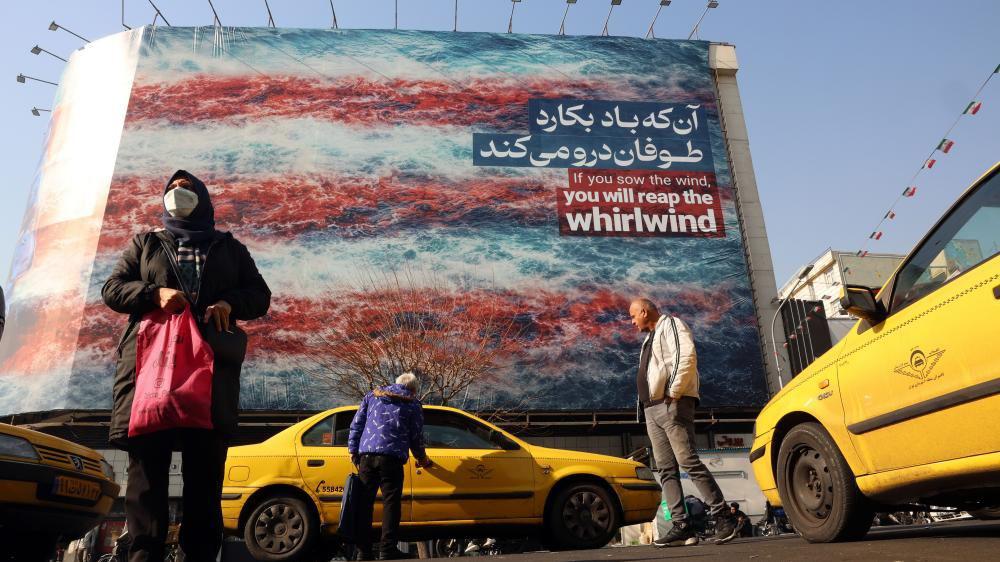
Washington, meanwhile, has expanded its naval presence in the region, including an aircraft carrier and multiple surface combatants, Reuters reported - moves that raise the risk of miscalculation as both sides posture in public while leaving the door open to talks in private.
What’s not confirmed
While the Bandar Abbas explosion occurred during heightened tensions, no independent evidence has been presented publicly tying the blast to an external attack. Iranian reporting cited by Reuters described the incident as likely accidental (gas leak), and investigators had not released a final determination as of Sunday.
Why it matters
The convergence of a deadly incident in a strategic port city and an intensifying U.S.–Iran standoff underscores how quickly regional risk can rise—through accidents, misinformation, or deliberate escalation. With the Strait of Hormuz central to global energy shipping, sharper threats on either side tend to reverberate beyond the immediate crisis, affecting maritime security calculations, insurance pricing, and diplomatic backchannels aimed at preventing a wider conflict.


