

Two of the most influential sports cars of the 1930s have been brought back into the spotlight as leading automotive publications stage a rare, side-by-side driving comparison between the Jaguar SS100 and the BMW 328 - machines that helped define what a “sports car” meant long before the post-war performance boom.
The feature, carried across several classic-car titles and heritage-focused motoring desks this month, goes beyond concours aesthetics to examine how these pre-war legends actually behave on modern roads: steering feel, chassis balance, braking confidence and engine character - the qualities that separated true sporting machines from fast tourers in the interwar era.
A rivalry rooted in motorsport and engineering
Both cars emerged in the mid-1930s as national flag-bearers for very different automotive philosophies.
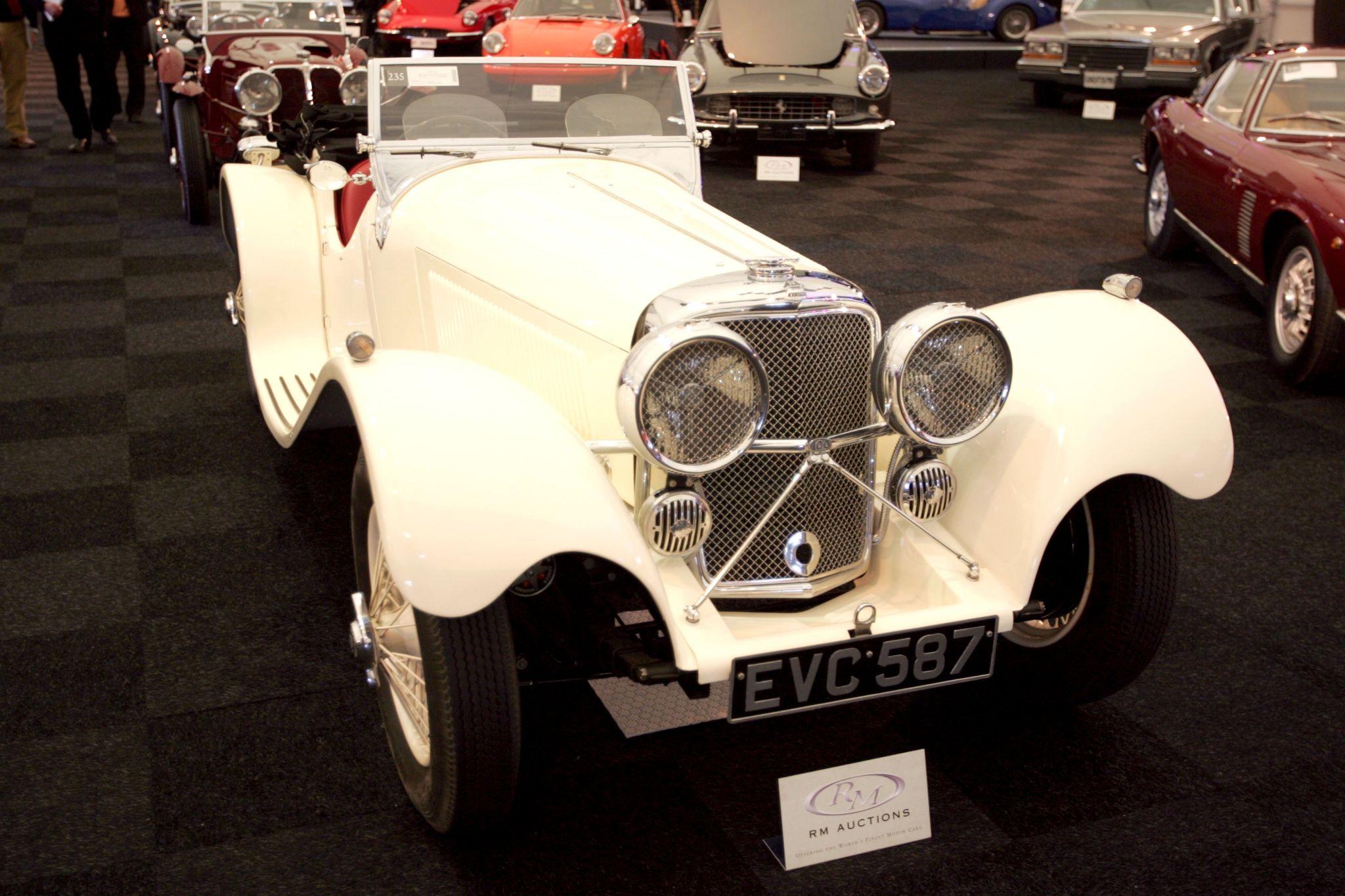
The Jaguar SS100, built in Coventry between 1936 and 1940, is widely credited with establishing Jaguar’s reputation for combining striking design with strong performance at a comparatively accessible price point. Its long bonnet, cycle wings and upright grille became visual shorthand for the British roadster ideal.
The BMW 328, unveiled in 1936, was more overtly competition-led. Lightweight construction, an advanced tubular chassis and a sophisticated straight-six engine made it a dominant force in European road racing, most famously culminating in BMW’s class victory and overall triumph at the 1940 Mille Miglia.
Driving dynamics: character versus precision
Testers involved in the latest comparison describe two sharply contrasting personalities.
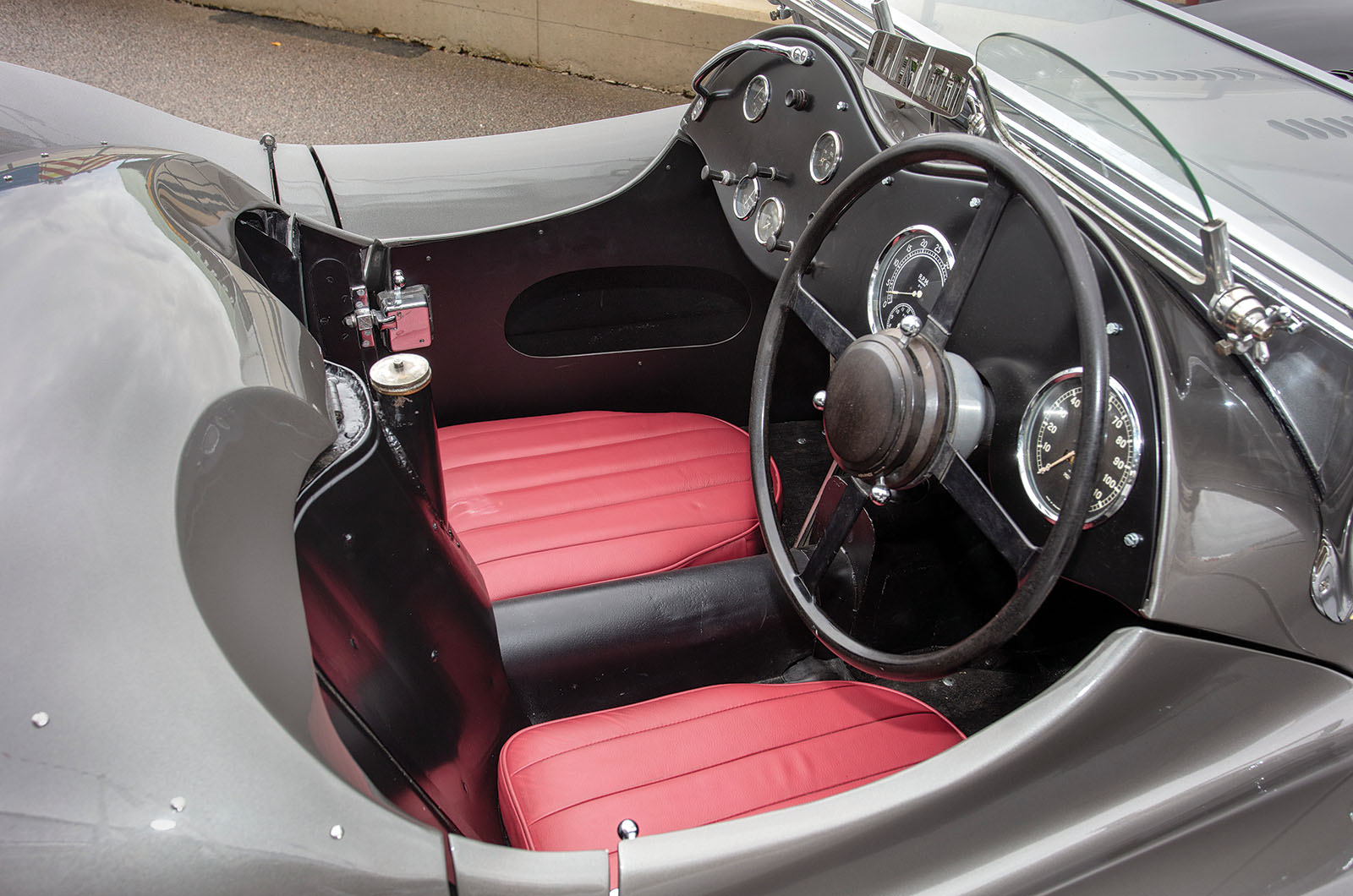
The SS100’s appeal lies in its muscular delivery and visceral feedback. With a large-displacement inline-six (in its later 3.5-litre form) and relatively simple suspension layout, the car rewards smooth inputs and momentum-based driving. Steering is heavy at low speeds but becomes communicative once on the move, and the chassis encourages controlled, progressive slides rather than abrupt changes of direction.
By contrast, the BMW 328 is consistently portrayed as the more “modern” drive, even by contemporary standards. Its lighter curb weight, independent front suspension and finely balanced weight distribution deliver quicker turn-in and greater mid-corner stability. Reviewers note that the 328’s engine, though smaller in displacement, feels freer-revving and more responsive, particularly on tighter, technical roads.
Braking performance also emerges as a key differentiator. While both rely on period-correct drum systems, the BMW’s lighter mass and chassis tuning give it a slight edge in confidence during repeated slowdowns.
Why these cars still matter
Beyond nostalgia, the comparison underscores how deeply these two machines influenced the post-war sports car landscape.
The SS100’s blend of performance, design flair and relative affordability set the template for Jaguar’s later XK and E-Type models, which would go on to dominate both sales charts and racetracks in the 1950s and 1960s.
The BMW 328, meanwhile, laid the engineering groundwork for BMW’s long-running reputation as a maker of driver-focused cars. Its emphasis on balance, lightweight construction and high-revving engines can be traced through decades of BMW road and competition models.
The collector market context
Values for both cars have risen steadily in the global classic market, with concours-quality examples now regularly commanding seven-figure sums at major auctions. Publications involved in the comparison note that such shootouts are becoming rarer, as owners and collectors grow increasingly cautious about exposing historically significant cars to extended road testing.
Yet editors argue that these exercises remain essential. “They were built to be driven, not just displayed,” one tester wrote, emphasizing that understanding their dynamic behavior is key to appreciating their true historical significance.
Verdict: no single winner, two enduring philosophies
Rather than crown an outright victor, the consensus frames the comparison as a study in contrasts.
The Jaguar SS100 is celebrated for its emotional pull - its sound, presence and sense of occasion - while the BMW 328 earns praise for technical sophistication and agility that still feels remarkably contemporary.
Together, they illustrate how two different engineering cultures, operating in the same turbulent pre-war era, arrived at distinct but equally influential visions of what a sports car should be.


