

At the Integrated Systems Europe (ISE) 2026 conference, LG unveiled a “transparent mesh” LED display system designed to transform entire building façades into low-energy, digitally addressable screens - without blocking natural light or compromising architectural visibility.
The technology marks one of the most ambitious attempts yet to merge large-format digital signage with sustainable urban design.
What Is Confirmed
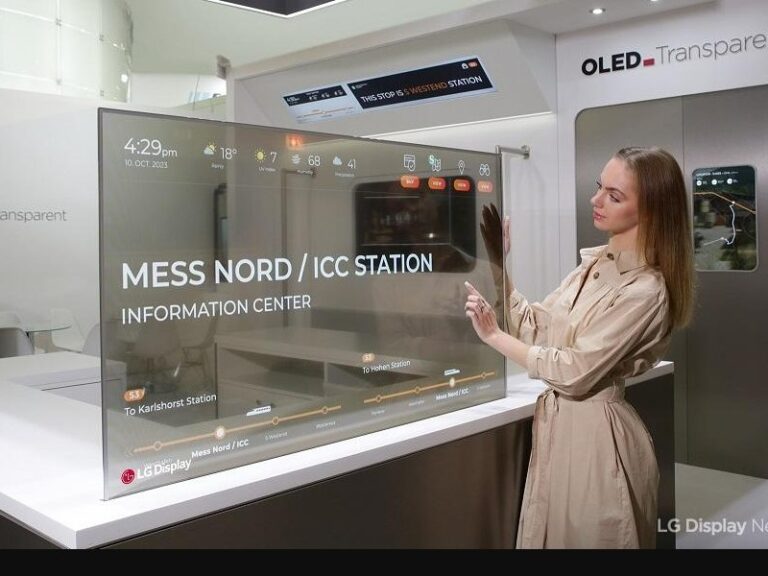
LG Display and LG Electronics representatives confirmed that the system uses a high-transparency LED mesh architecture, allowing daylight to pass through the structure while enabling high-brightness visuals to be projected across glass and steel surfaces.
According to technical briefings at ISE, the display is engineered for:
Ultra-lightweight installation, reducing structural load on high-rise façades
Low power consumption, compared with traditional solid-panel LED walls
Modular scalability, allowing buildings to be partially or fully wrapped in digital content
The company said early pilots are being conducted with commercial property developers in Asia and Europe, focusing on landmark buildings and mixed-use developments.
How the Technology Works
Unlike conventional LED video walls that rely on opaque panels, LG’s transparent mesh uses micro-LED nodes embedded in a lattice structure. This creates a screen effect that appears solid at a distance, while remaining largely see-through at close range.
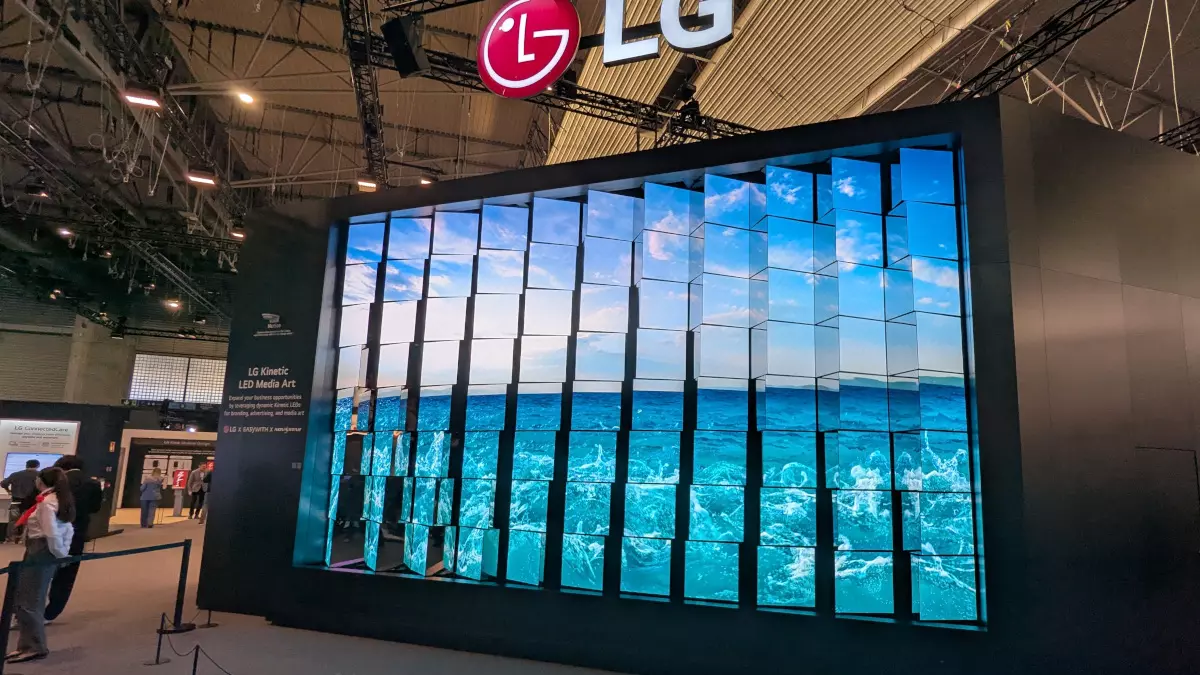
Engineers at the conference said the system can be integrated into curtain wall façades and retrofitted onto existing glass exteriors, opening possibilities for both new construction and renovation projects.
Brightness and contrast are dynamically adjusted based on ambient light conditions, helping to maintain visibility in daylight while minimizing energy use at night.
Why It Matters for Cities
Urban planners and sustainability experts have increasingly raised concerns about the energy footprint and light pollution of large-scale digital billboards. LG’s pitch positions the transparent mesh as a compromise - offering visual impact without the constant, high-intensity illumination of traditional LED screens.
Potential applications highlighted at ISE include:
Public information displays on civic buildings
Advertising on commercial towers and transport hubs
Cultural and artistic projections for festivals and public events
Industry and Market Reaction
Commercial real estate developers attending the conference described the technology as a potential revenue-generating layer for premium buildings, particularly in high-traffic urban districts.
Digital signage analysts noted that building-scale displays represent one of the fastest-growing segments of the out-of-home advertising market, driven by demand for immersive, location-based content.
However, regulatory hurdles remain. Many cities impose strict limits on façade lighting and digital advertising, meaning widespread adoption will depend on local planning and zoning approvals.
Sustainability and Energy Claims
LG said the system’s open-structure design reduces material usage and allows for natural ventilation and light transmission, lowering cooling loads inside buildings.
While independent energy audits have not yet been published, company engineers stated that power draw per square meter is significantly lower than conventional LED walls, particularly when operating in adaptive brightness mode.
Why It Matters
The unveiling underscores a broader trend in technology and architecture: digital infrastructure becoming part of the built environment, rather than an add-on.
If adopted at scale, transparent building displays could reshape how cities communicate, advertise, and express cultural identity - while also raising new debates around visual clutter, data governance, and urban aesthetics.


