

Diplomatic and commercial stakeholders have resumed consultations on maritime security in and around the Red Sea — a critical maritime corridor for global trade — even as persistent risks and elevated costs continue to ripple through shipping and insurance markets.
The talks bring together regional governments, international naval forces, maritime authorities and industry representatives to address insecurity that has upended one of the world’s busiest shipping lanes. The Red Sea, and especially the narrow Bab al-Mandab Strait linking it to the Gulf of Aden, is a strategic chokepoint for cargo, energy and container ships linking Asia, Europe and Africa.
Despite efforts to improve coordination, uneven naval patrols, divergent political agendas and the fragility of recent ceasefires have left many industry actors cautious. Longer-term solutions, participants say, will depend on both security cooperation and broader diplomatic progress in the Middle East.
Ongoing Security Fragility
The Red Sea’s security landscape remains volatile, shaped in large part by attacks on commercial vessels attributed to Yemen’s Houthi movement — a group that has periodically targeted shipping in response to wider regional conflicts. While ceasefires have reduced some activity, the threat has not disappeared entirely, and attacks or harassment by small boats, missiles or drones continue to be reported from time to time.
Major shipping lines such as Maersk have conducted limited transits through the Red Sea, but others including CMA CGM have reportedly pulled services back or rerouted around the Cape of Good Hope, reflecting industry uncertainty.
Naval security efforts are multilateral but fragmented. U.S.-led maritime operations such as Operation Prosperity Guardian — once a core initiative to protect merchant traffic — have evolved alongside European Union missions like Operation Aspides that focus on surveillance and escort duties. Coordination between these efforts varies by jurisdiction, complicating unified enforcement of protections across the vast maritime space.
Elevated Insurance Risk Premiums
The insecurity has not only slowed traffic but also driven war-risk and security surcharges to levels that significantly affect freight economics. According to recent industry analyses, war-risk premiums have more than doubled in 2025 compared with pre-crisis levels, and in some cases can amount to 1 % or more of a vessel’s value — up from around 0.3–0.4 % previously quoted.
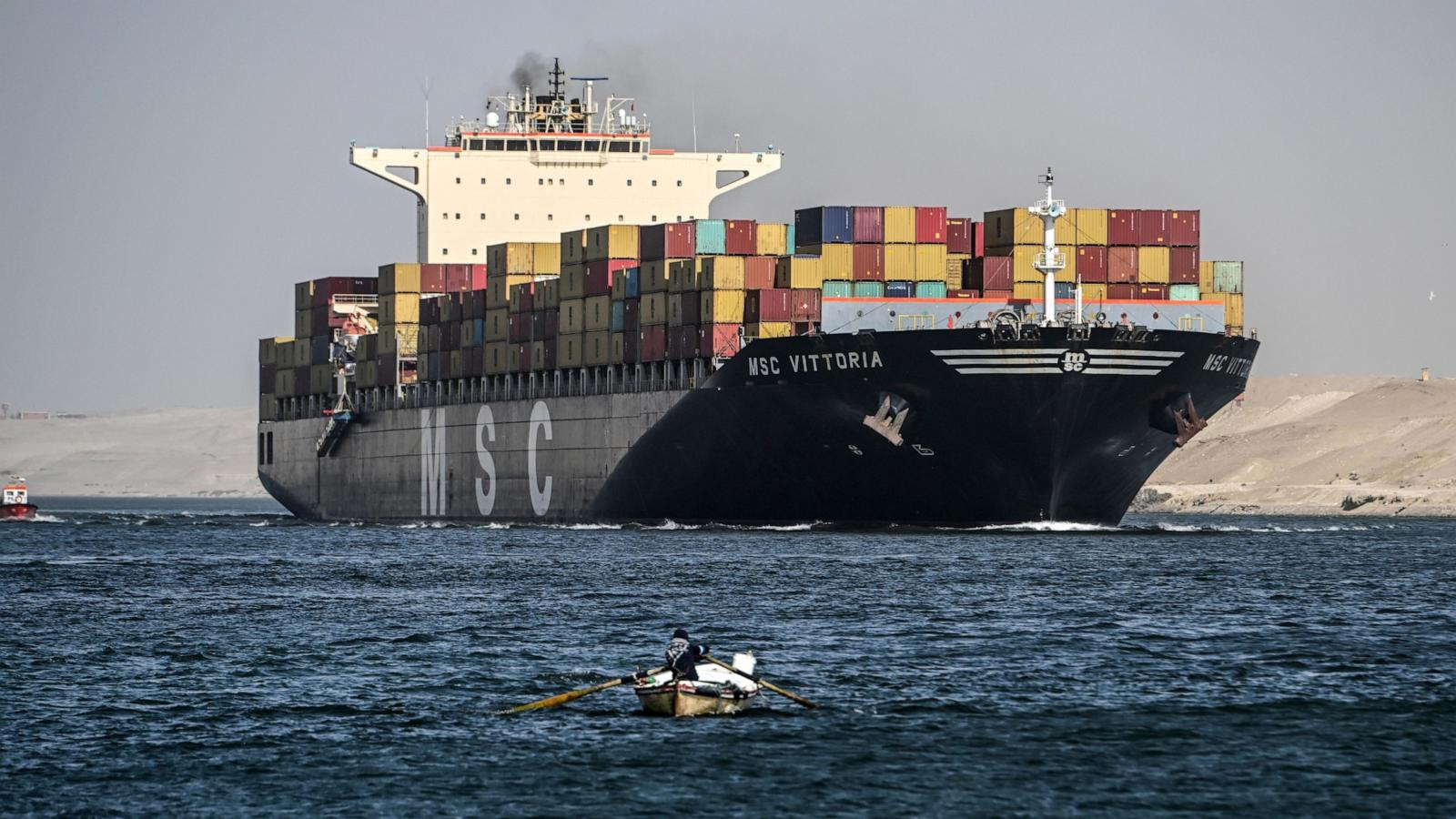
While some maritime security advisories indicate war-risk premiums have fluctuated, the consensus among insurers is that a “normal” risk environment may remain out of reach for the foreseeable future. Elevated pricing reflects not just the operational dangers of the Red Sea corridor but also uncertainty over whether ceasefires and patrol coordination can hold.
For shipowners, these added costs translate into higher freight rates and, in some cases, decisions to reroute around Africa — a detour that adds substantial time and fuel expenses to Asia-Europe trade lanes.
Global Trade Implications
The Red Sea and nearby Suez Canal collectively carry a significant share of global maritime commerce — estimates suggest up to 12 % of global trade and comparable proportions of oil and dry bulk shipments transit these routes. Disruptions can therefore have outsized effects on supply chains, commodity markets and energy flows.
Prolonged insecurity has already reshaped shipping patterns: weekly commercial voyages through the Red Sea remain below pre-crisis levels, and a noticeable share of bulk cargo and crude tankers are being rerouted away from the region entirely.
Diplomacy and Coordination: Critical But Complex
Talks to resume maritime security coordination underscore the recognition that naval presence alone cannot resolve the underlying instability. Representatives are examining avenues to enhance information-sharing, align rules of engagement between patrol missions and strengthen deterrence against disruptive actors.
However, political divisions — including differing priorities among regional states and broader geopolitical rivalries — complicate efforts to forge a durable security framework. Analysts note that long-term stability will likely hinge on broader diplomatic progress over conflicts in Yemen and other adjacent theatres.


