

One of Europe’s largest classic and enthusiast motoring events, Retro Classics Stuttgart, will celebrate its 25th anniversary from February 19–22 at the Messe Stuttgart, bringing together thousands of vehicles, collectors and industry figures under the banner of “Driving Culture.”
Organizers say the milestone edition will lean into both tradition and transformation, pairing a major showcase of Japanese tuning and performance culture with a comprehensive retrospective on BMW’s engineering and motorsport history.
From regional fair to continental showcase
Founded in 2001, Retro Classics Stuttgart has grown from a regional classic-car fair into a multi-hall exhibition spanning more than 100,000 square meters, drawing exhibitors and visitors from across Europe and beyond. The event now serves as a major marketplace for classic vehicles, parts, restoration services and automobilia, as well as a cultural forum that tracks how car enthusiasm evolves across generations.
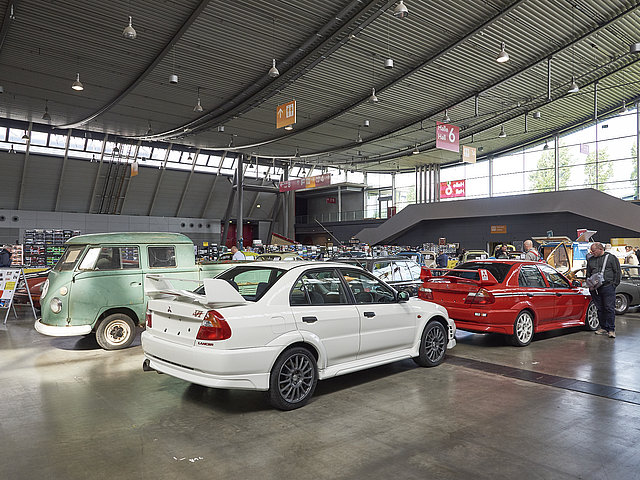
Event officials describe the 25th anniversary theme as a deliberate attempt to bridge eras - celebrating the craftsmanship of historic European marques while acknowledging the global influence of modern enthusiast movements.
Japanese tuning culture takes center stage
A dedicated anniversary zone will explore the rise of Japanese performance and tuning, a scene that reshaped global car culture from the 1980s onward. Displays are expected to feature iconic models from brands such as Toyota, Nissan, and Mazda, alongside period-correct aftermarket parts and modern, high-spec builds.
Curators say the exhibit will trace how grassroots street racing, professional motorsport and the global spread of drifting and time-attack competitions turned Japanese cars into a worldwide cultural phenomenon - influencing everything from European track-day culture to contemporary automotive design.
BMW’s engineering story in focus
Running in parallel, a large-scale BMW exhibition will chart the company’s evolution from pre-war engineering to its modern performance and luxury portfolio. Highlights are expected to include historic racing cars, landmark road models and concept vehicles illustrating BMW’s long-standing emphasis on driver-focused design.
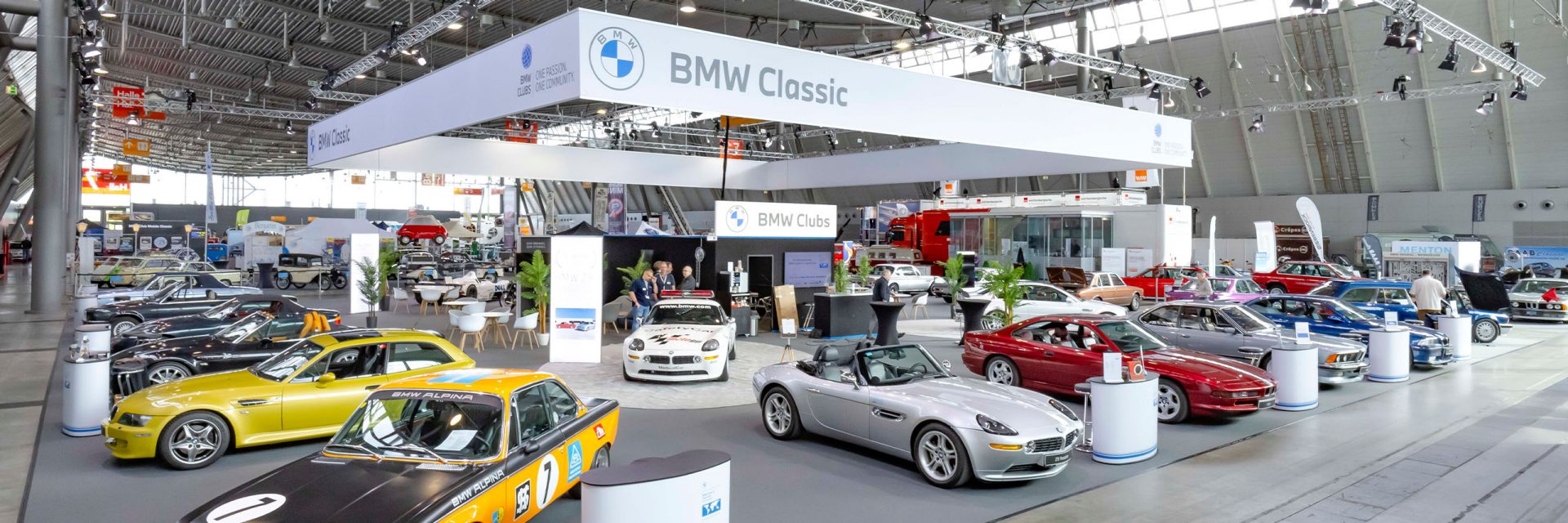
The showcase also reflects Stuttgart’s place within Germany’s automotive heartland, where the heritage of manufacturers, suppliers and motorsport institutions remains a central part of regional identity.
More than a show floor
Beyond the vehicle displays, the anniversary program includes live restoration demonstrations, specialist auctions, panel discussions with designers and historians, and a curated trade area for rare parts and memorabilia. Organizers report that more than 1,500 exhibitors from over 20 countries are slated to participate, reinforcing the event’s role as both a cultural gathering and a commercial hub for the classic-car economy.
Industry analysts note that events like Retro Classics have taken on added importance as classic and enthusiast vehicles increasingly intersect with debates over sustainability, urban access and future mobility policy across Europe.
A reflection of changing car culture
By pairing Japanese tuning culture with BMW’s corporate history, the 25th edition underscores how automotive enthusiasm has broadened beyond traditional marque loyalty. What began as a celebration of heritage vehicles has become a forum for exploring how performance, personalization and identity shape the modern relationship between drivers and machines.
For Retro Classics Stuttgart, the anniversary is not just a look back at a quarter-century of exhibitions - it is a statement about where “driving culture” is headed in an era of electrification, regulation and rapid technological change.


