

For more than a decade, solid-state batteries (SSBs) have occupied a peculiar place in the automotive and energy storage conversation: perpetually “just around the corner.” Headlines routinely proclaim breakthroughs, startups announce funding rounds, and major automakers promise production timelines that, come and go, rarely materialize. But in 2026, are solid-state batteries finally on the verge of commercial reality, or is the industry still chasing a mirage? The answer is nuanced - rooted in the physical challenges of materials science, the economic realities of mass manufacturing, and the strategic imperatives of automakers racing for next-generation energy solutions.
At a fundamental level, the allure of solid-state chemistry is straightforward. Traditional lithium-ion cells use a liquid electrolyte to shuttle lithium ions between the anode and cathode. This liquid medium, while effective, comes with intrinsic limitations: flammability, a constraint on energy density tied to electrolyte stability, and degradation pathways that shorten lifecycle. Solid electrolytes promise to address all of these. They are non-flammable, potentially enabling safer battery packs. They can, in theory, tolerate higher-voltage electrodes and novel anode materials - most notably lithium metal - which can substantially increase energy density. They also offer the prospect of longer cycle life and wider operating temperature windows. For automotive applications, these attributes could translate into EVs that go farther, cost less to maintain, and pose fewer safety risks. That long-term vision remains compelling.
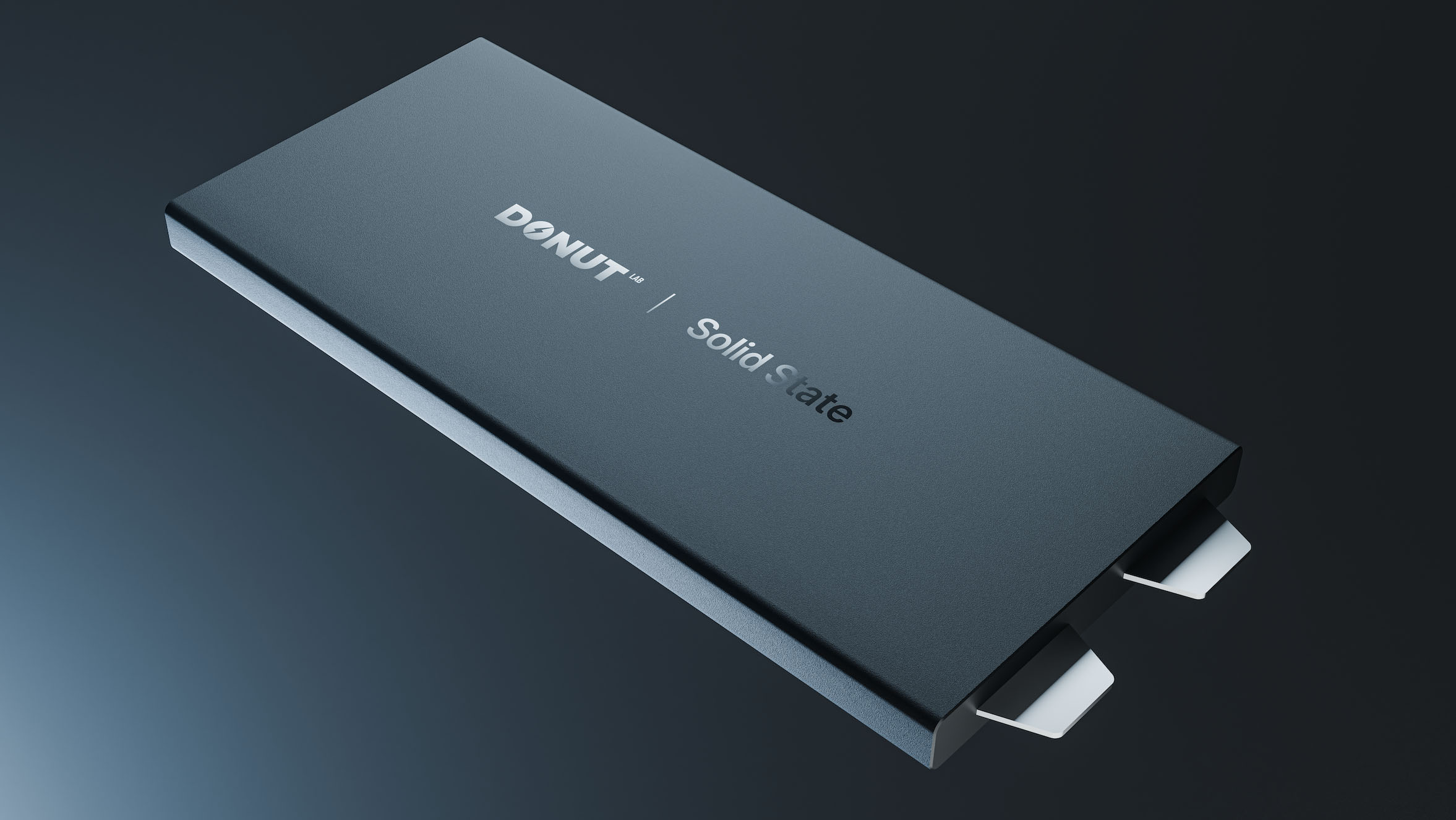
Yet between vision and vehicles lies a host of engineering gauntlets. The first is the solid electrolyte itself. Unlike liquids that can naturally wet electrode surfaces, solids must maintain intimate physical contact with electrodes across millions of microscopic interfaces. Any gap or imperfection can create regions of high resistance, localized heating, or lithium dendrite growth - metallic filaments that can short a cell. Researchers have experimented with ceramics, sulfides, polymers, and hybrid composites, each with trade-offs. Ceramics often exhibit high ionic conductivity - closer to or exceeding that of liquid electrolytes - but tend to be brittle and difficult to process at scale. Sulfide-based electrolytes can be softer and more easily formed into thin layers but are sensitive to moisture and can release toxic gases if mishandled. Polymer electrolytes offer flexibility but historically suffer from low conductivity at typical operating temperatures, demanding heat or other engineering workarounds. None of these classes has yet achieved the combined trifecta of high ion conductivity, mechanical robustness, manufacturability, and cost that would justify a wholesale switch from liquid electrolytes in mainstream EVs.
A second and equally stubborn challenge is manufacturing scale. Today’s lithium-ion cell supply chains are engineered around wet electrode coatings, liquid electrolyte filling and sealing, and roll-to-roll assembly processes optimized over decades. Introducing a solid layer - especially one requiring high temperatures or exotic pressure lamination - disrupts this matured industrial ecosystem. Automakers and battery manufacturers must build new tooling, develop novel quality control techniques, and wrestle with yields that can vary wildly as new chemistries and formats are piloted. Early solid-state prototypes often use small, button-cell form factors in controlled lab environments. Scaling such processes to gigawatt-hour production with consistent performance and safety across millions of cells is a different order of difficulty.
Cost remains a deciding metric. The promise of higher energy density is meaningful only if the reduction in system-level costs - fewer cells for the same range, less cooling hardware - outweighs any premium for exotic materials and new manufacturing lines. Today’s lithium-ion batteries, particularly those using nickel-rich cathodes and silicon-enhanced anodes, have seen significant cost declines over the last decade, approaching the often-cited threshold of $100 per kilowatt-hour at the pack level. That progress narrows the economic gap that solid-state batteries must overcome. In other words, the bar for “better” has risen as incumbent technologies have improved.
Despite these challenges, 2025–2026 has seen a palpable shift from theory to reality, albeit in specialized niches and with important caveats. A handful of companies - incumbent battery manufacturers and well-funded startups alike - have announced pilot production lines for solid-state or “solid-rich” cells that integrate solid electrolytes with conventional architectures. Some of these cells are destined not for passenger cars at first, but for applications where the performance advantages are most acute: aerospace, defense, high-performance sporting equipment, and select industrial uses where energy density and safety justify premium pricing. These early runs serve a dual purpose: they stress-test manufacturing processes at scale and begin to build a supply chain for materials that are presently scarce or costly.
In automotive, timelines have become more cautious but also more credible. A few premium OEMs are publicly targeting limited introduction of solid-state cells in low-volume vehicles before 2030, often in tandem with hybrid architectures that retain some liquid electrolyte to bridge performance gaps. This “transitional” approach acknowledges that fully solid systems may not yet be practical at scale, but that incremental solid content can still yield meaningful improvements. Such hybridization is itself an engineering compromise - not the pure solid-state ideal of early evangelists, but perhaps a pragmatic step that reduces risk while retaining some performance upside.
Another notable development is the intensifying focus on alternative cell formats that facilitate solid-state integration. For example, pouch and prismatic cells may lend themselves better to layering thin solid electrolytes than cylindrical formats, though each format brings its own thermal and mechanical considerations. Advances in electrolyte coatings - ultra-thin, conformal films applied via vapor deposition - are promising in the lab and are now being explored in pilot lines, precisely because they mitigate interface issues without completely upending existing assembly processes.
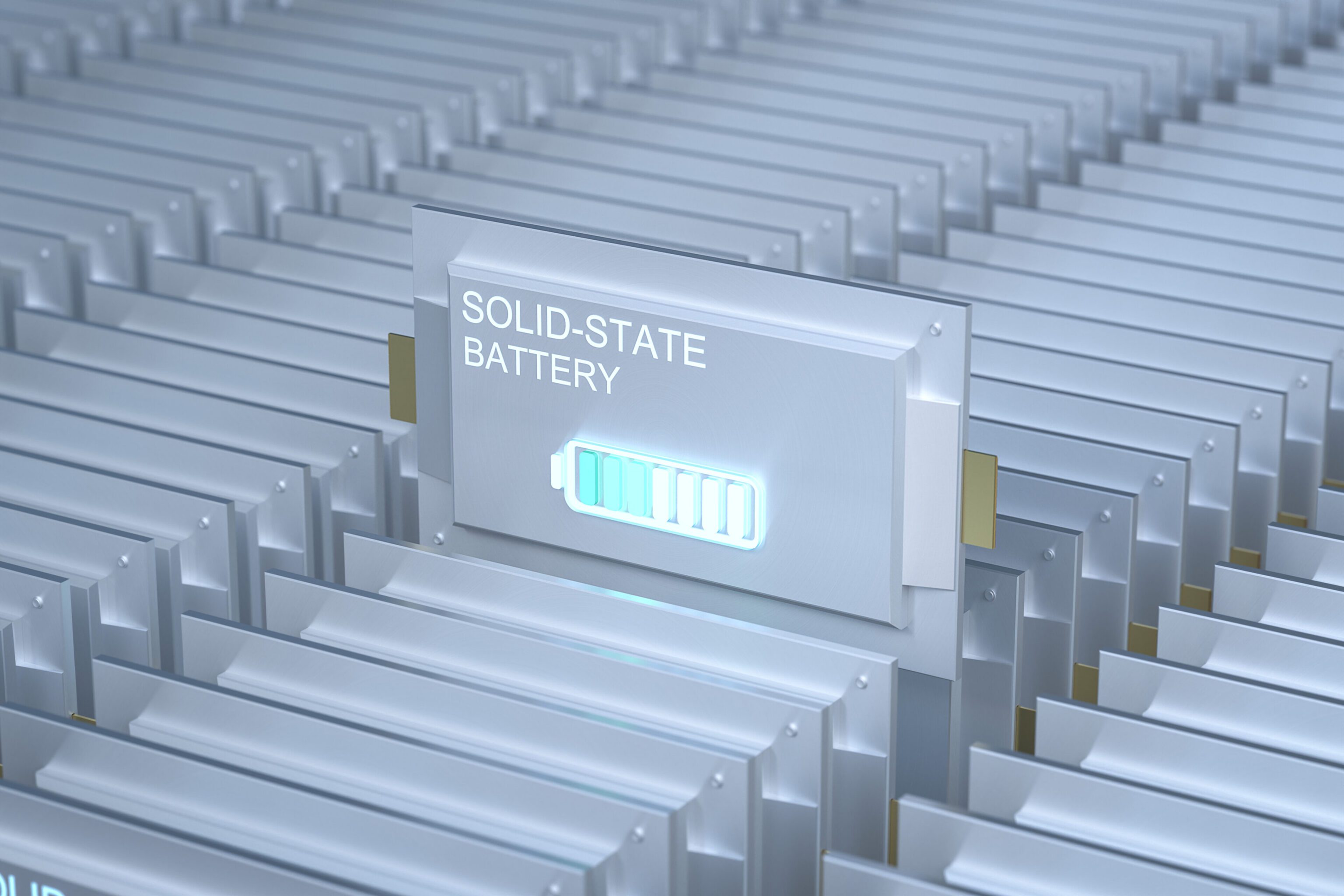
Policy and capital flows are accelerating this evolution. Governments in Europe, Japan, South Korea, and the United States have targeted next-generation battery technologies with funding, incentives, and strategic partnerships, effectively underwriting some of the risk that manufacturers would otherwise shoulder alone. This support has seeded research consortia and de-risked investments in facilities that could have languished without public backing.
So where does that leave us? Are solid-state batteries “finally close to reality”? The honest answer is that they are closer than they have ever been, but they are not yet ready for mass automotive deployment at meaningful scale. The march from promising chemistry to reliable, manufacturable product is neither linear nor swift. The industry has moved beyond speculative laboratory demonstrations into early commercial preparation, pilot lines, and hybrid implementations that chip away at risk. Yet the full realization of the technology - a pure solid-state battery powering millions of mainstream EVs with superior range, safety, and cost - remains a horizon still approaching rather than an achieved milestone.
For automakers and suppliers, the challenge now is navigating a landscape where incremental gains may matter more than perfection. Solid-state components, hybrid designs, advanced manufacturing techniques, and continued improvements in conventional lithium-ion all compete and complement one another. This pluralistic landscape likely persists for much of the remainder of the decade, with solid-state technologies gaining market share not because of a singular breakthrough, but through a mosaic of engineering refinements, economic shifts, and strategic deployments in targeted segments.
In that sense, the promise of solid-state batteries is not dead - far from it. But the narrative of a sudden, industry-wide revolution powered by a single technological leap is outdated. What’s unfolding is more measured: a gradual, iterative transformation that reflects the gritty realities of industrial innovation.


