

Global energy markets are reacting to the announcement of a new trade framework between the United States and India, as Indian officials confirmed plans to rebalance crude oil procurement away from Russia and toward suppliers in the United States and West Asia. The move, described by policymakers as a diversification strategy rather than a full realignment, has prompted immediate price volatility in benchmark oil futures and renewed scrutiny of geopolitical energy ties.
What Is Confirmed
India’s Ministry of Commerce and Industry said the agreement includes energy cooperation provisions aimed at expanding long-term supply contracts, joint infrastructure investments, and technology sharing in refining and strategic petroleum storage.
U.S. officials confirmed that the framework encourages increased exports of American crude and liquefied natural gas (LNG) to India, building on rising energy trade between the two countries over the past five years.
Indian government briefings emphasized that the policy is intended to reduce over-reliance on any single supplier and improve supply-chain resilience amid ongoing global disruptions.
Russia’s Role in India’s Energy Mix
Since 2022, Russia has become one of India’s largest crude suppliers, driven by discounted pricing and expanded shipping routes. Industry data shows Russian oil at times accounted for more than a third of India’s imports, a dramatic shift from pre-2022 levels.
The new trade framework does not mandate an immediate halt to Russian purchases. Instead, Indian officials said procurement will be “progressively diversified,” particularly through long-term contracts with U.S. producers and Gulf suppliers in countries such as Saudi Arabia and the United Arab Emirates.
Why the Shift Matters
India is the world’s third-largest oil importer, making its sourcing decisions highly influential on global demand patterns. Even a modest reduction in Russian crude purchases could alter shipping flows, freight rates, and regional price benchmarks.
For U.S. producers, expanded access to India’s market offers a major growth opportunity, especially for light sweet crude that complements India’s increasingly complex refinery network.
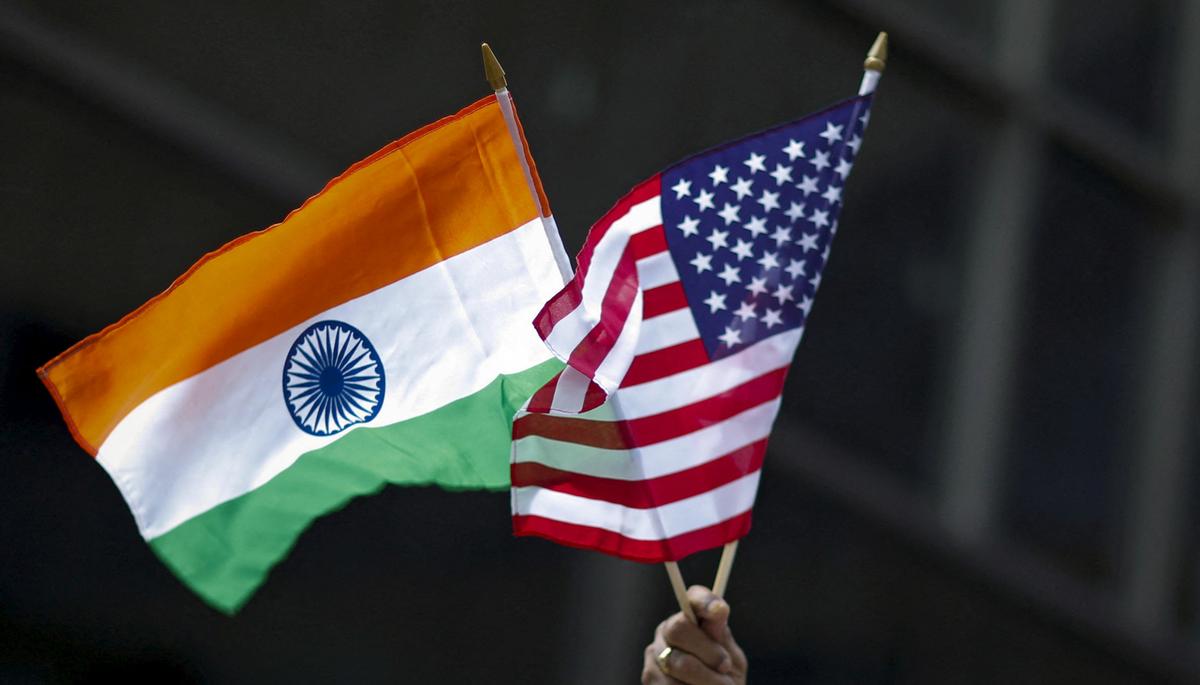
West Asian exporters, long dominant in India’s supply chain, are also positioned to benefit as New Delhi seeks to restore balance in its import portfolio.
Market Reaction
In early trading, Brent crude and West Texas Intermediate futures showed heightened volatility, reflecting uncertainty over how quickly India’s procurement strategy will translate into physical supply changes.
Energy analysts cautioned that price movements are being driven more by expectations than confirmed contract volumes, noting that large-scale shifts in oil sourcing typically take months or years to materialize.
Shipping and insurance markets are also monitoring potential rerouting of tanker traffic, particularly if Russian exports are redirected further toward East Asian buyers.
Strategic and Political Dimensions
The energy component of the U.S.–India trade agreement carries geopolitical weight. Washington has sought to deepen strategic ties with New Delhi across defense, technology, and supply-chain security, while encouraging partners to limit economic dependence on Moscow.
Indian officials, however, stressed that their approach remains non-aligned and market-driven, focused on securing the best prices and most reliable supply rather than adhering to political blocs.
Risks and Constraints
Refiners note that switching crude sources is not purely a diplomatic decision. Indian refineries have been optimized in recent years to process heavier, discounted Russian grades. Scaling up imports of lighter U.S. crude may require technical adjustments and new blending strategies, which could affect margins in the short term.
Long-term contracts with Gulf producers, meanwhile, often include pricing formulas linked to regional benchmarks, potentially exposing India to different cost dynamics than those associated with spot-market Russian barrels.
Why It Matters
The “Great Energy Swap” highlights how trade policy, geopolitics, and energy security are increasingly intertwinedin a multipolar world.
If India successfully diversifies its oil sourcing at scale, the shift could reshape global crude flows, reduce Russia’s footprint in one of its largest growth markets, and deepen U.S. and West Asian influence over the energy architecture of the Indo-Pacific.


