

A new report released by the United Nations following World Wetlands Day indicates that ecological restoration efforts in the Everglades have reached their highest documented success rate in 30 years, marking a significant milestone in one of the world’s most complex and closely monitored wetland recovery programs.
The findings point to measurable gains in water quality, native species populations, and natural water flow patterns across large sections of the southern Florida ecosystem.
What Is Confirmed
According to the UN’s assessment - compiled in coordination with U.S. federal and Florida state agencies - recent restoration benchmarks show:
Improved freshwater flow through key marsh and slough systems, restoring more natural seasonal patterns
Declining nutrient pollution, particularly phosphorus levels that have historically damaged native vegetation
Rebound in indicator species, including wading birds and native fish populations used to track ecosystem health
The report credits coordinated infrastructure projects and long-term policy commitments under the Comprehensive Everglades Restoration Plan (CERP), a multi-decade U.S. government initiative launched in 2000.
Why This Matters Globally
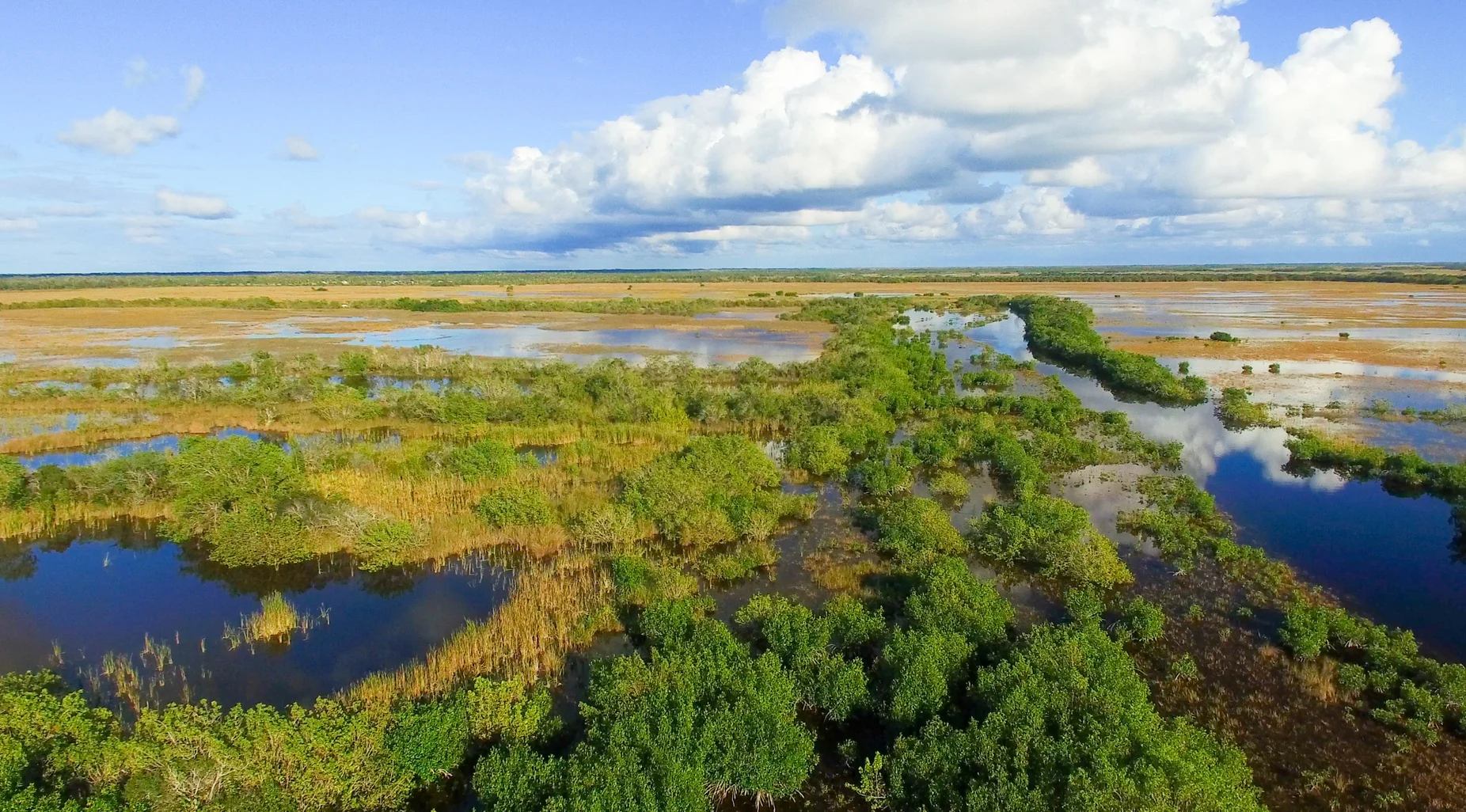
Wetlands play a critical role in flood control, water purification, carbon storage, and biodiversity conservation. The Everglades - often described as a “river of grass” - is one of the largest and most ambitious wetland restoration efforts in the world, making its progress a key reference point for similar projects globally.
UN environmental officials said the improvements provide a “proof of concept” that large-scale, long-term restoration programs can deliver measurable ecological returns when backed by sustained funding and political support.
The Restoration Strategy
Key elements driving the recent gains include:
New water storage and treatment areas designed to filter runoff before it enters sensitive marshlands
Re-engineered canals and levees to allow more natural water movement across the landscape
Expanded habitat protection zones to safeguard breeding grounds for threatened species
Scientists involved in the monitoring program emphasized that restoration success is measured over decades, not seasons, and that current results reflect policy and engineering decisions made years earlier.
Challenges Remain
Despite the progress, the report warns that the Everglades remains vulnerable to:
Climate change impacts, including rising sea levels that increase saltwater intrusion into freshwater habitats
Urban and agricultural pressure, particularly from development in South Florida
Extreme weather events, which can rapidly alter water quality and flow patterns
Environmental groups stressed that continued investment will be necessary to maintain and expand the recent gains.
International Response
Delegates at UN environmental forums welcomed the findings as a positive counterpoint to broader global wetland loss, which the UN estimates has seen more than a third of wetlands disappear worldwide since 1970.
Several countries with major delta and mangrove systems, including those in Southeast Asia and Africa, cited the Everglades model as a potential framework for scaling their own restoration initiatives.
Why It Matters
The milestone underscores the growing role of wetlands in climate resilience strategies, particularly as communities face increased flooding and water security challenges.
For policymakers, the Everglades’ progress offers evidence that long-term, science-driven environmental programs can produce tangible results - an increasingly important message amid global debates over climate adaptation funding.


