

On paper, modern Formula 1 is operating at a level of performance that would have seemed implausible even a decade ago. Lap records are falling. Cornering speeds are climbing. Drivers are sustaining forces that would once have been considered physiologically unrealistic over a full race distance.
And yet, for many observers, something feels diminished. The sport is cleaner, safer, and more precise, but also less volatile, less unpredictable, and arguably less alive. Formula 1 is faster than it has ever been, but it no longer feels wild.
This is not nostalgia talking. It is the result of deliberate choices, technical maturity, and structural evolution. To understand the paradox, you have to look at how speed is now generated, and what has been engineered out along the way.
The Nature of Modern Speed
The defining characteristic of today’s Formula 1 cars is not engine power, but aerodynamic efficiency. Since the reintroduction of ground-effect regulations in 2022, downforce is generated primarily beneath the car rather than above it. This produces extraordinary grip while reducing the sensitivity of the car to turbulent air.
The result is relentless cornering speed. Drivers carry momentum through turns that once demanded restraint. Where earlier eras required constant micro-corrections, modern cars often feel surgically precise, locked to the circuit by airflow rather than balanced on the edge of mechanical adhesion.
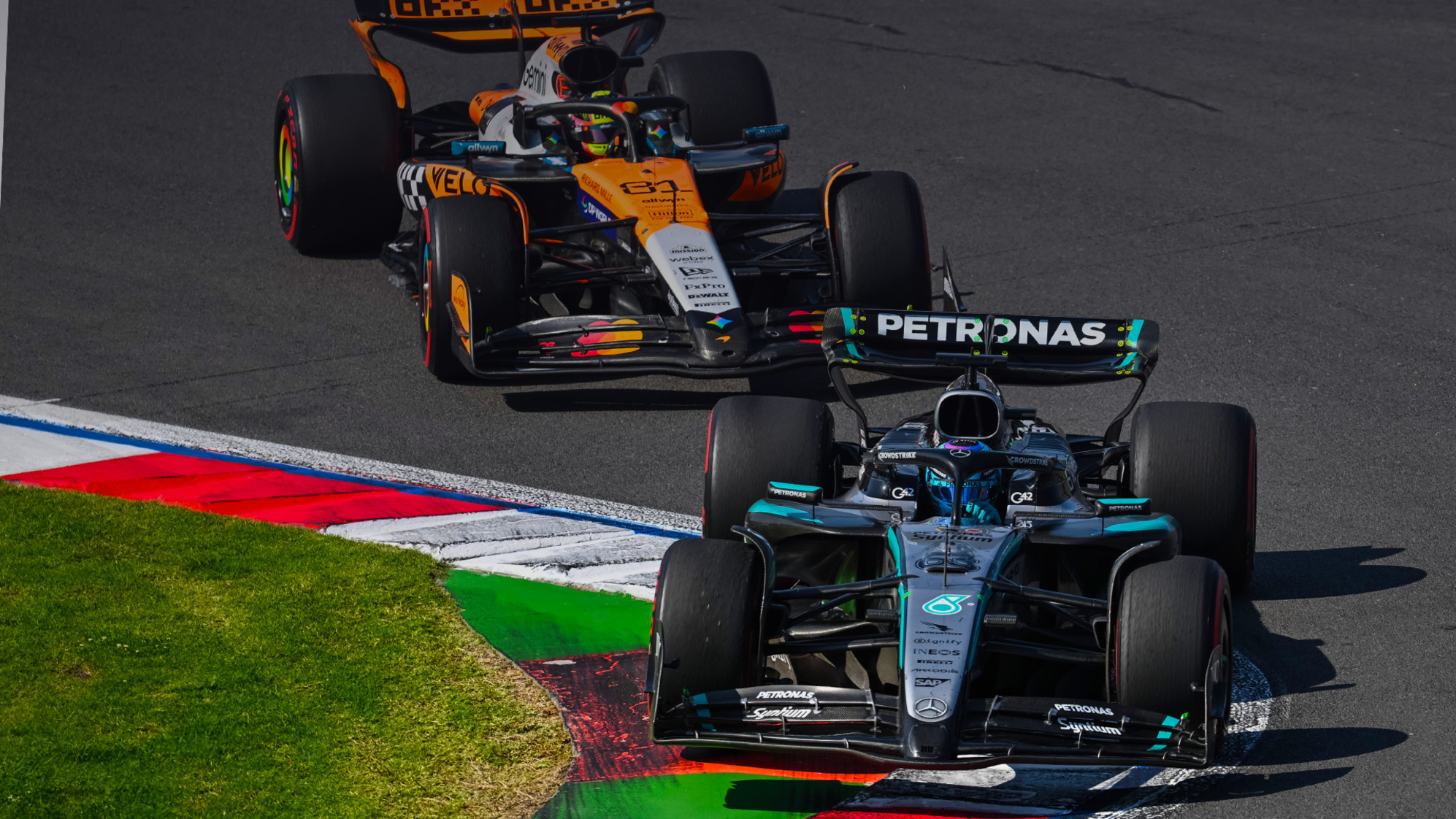
This is speed without drama. The cars are astonishingly fast, but their performance envelope is wide and stable. Once within it, the driver’s task becomes optimisation rather than survival.
Contrast that with the late 1990s and early 2000s. Those cars were lighter, more fragile, and aerodynamically peaky. A slight misjudgement could destabilise the platform instantly. Drivers were visibly wrestling with the car, correcting slides, adapting to degradation in real time. The limit was narrow, and frequently crossed.
Modern Formula 1 has pushed the limit further away from catastrophe.
Power Units Without Personality
The shift to hybrid power units in 2014 fundamentally altered how Formula 1 feels, even if outright performance eventually recovered. Today’s turbocharged V6 engines are marvels of efficiency, extracting more than 50 percent thermal efficiency under race conditions. They are also tightly regulated, heavily monitored, and astonishingly reliable.
What they lack is volatility.
Earlier engines, particularly the naturally aspirated V10s and V8s, delivered power in a more linear, immediate way, with fewer electronic layers between driver input and response. Throttle control was visceral. Mistakes were punished instantly.
In contrast, modern power delivery is smoothed, managed, and optimised by software. Torque curves are predictable. Failures are rare. The engines do not surprise drivers, and they almost never frighten them.
That is progress, but it is also domestication.
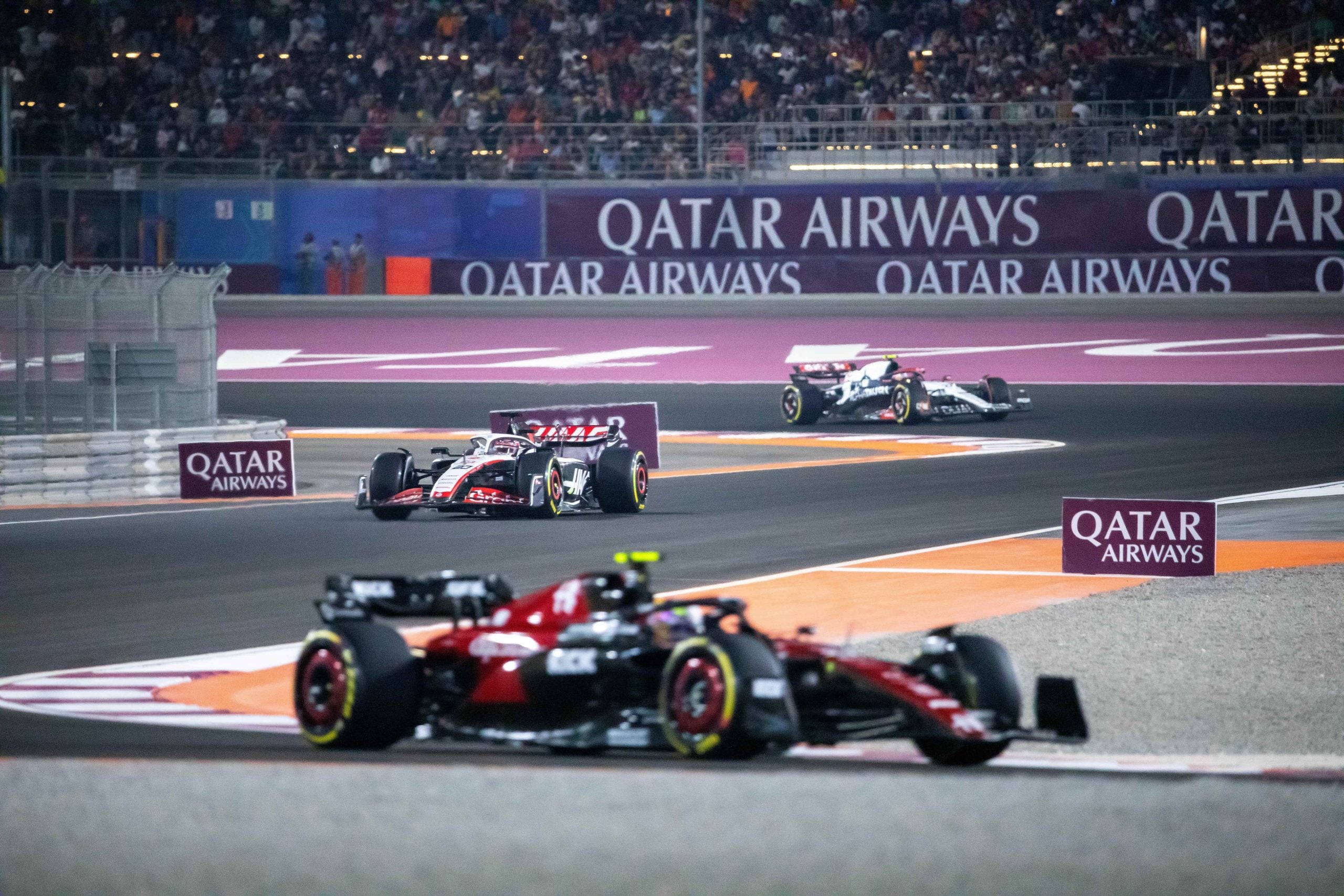
The End of Mechanical Improvisation
Reliability has become a cornerstone of modern Formula 1. Gearboxes are designed to last multiple race weekends. Power units are rationed. Components are homologated and sealed. The scope for experimental or aggressive mechanical setups is narrow.
This has eliminated a form of chaos that once defined the sport. Mechanical failures, unpredictable handling traits, and setup gambles used to reshape races mid-distance. Today, strategic variance comes primarily from tyre choice and timing, not from whether a car might physically survive.
Even suspension behaviour, once a major differentiator, is now heavily constrained. Active systems are banned. Materials and geometries are closely policed. The cars are engineered to operate within extremely well-understood parameters.
When everything works as intended, unpredictability becomes scarce.
Drivers as Operators, Not Adventurers
None of this diminishes the skill of the modern Formula 1 driver. In many ways, the demands are higher than ever. Precision, consistency, and cognitive load are extreme. Drivers manage energy deployment, tyre temperatures, brake migration, and aerodynamic balance while racing wheel-to-wheel at immense speed.
But the character of the challenge has changed.
Earlier generations often spoke of taming the car. Today’s drivers talk about extracting performance from a system. The difference is subtle but significant. Modern Formula 1 rewards discipline over improvisation, compliance over rebellion.
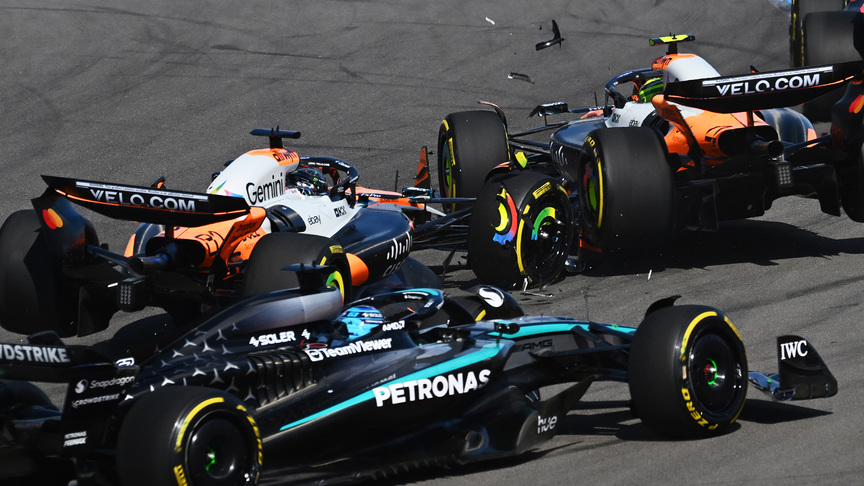
This is why moments of visible struggle, sudden oversteer, opposite-lock corrections, or cars snapping out of line feel rarer. The machinery is designed to prevent them.
Regulation as a Stabilising Force
Formula 1’s governing body has spent decades prioritising safety and cost control, often in response to hard lessons. Track runoff areas have expanded. Barriers have improved. Crash structures are immensely robust. Halo devices have saved lives.
These changes have rightly removed danger from the sport. But they have also reduced the sense of consequence. Mistakes are still costly, but they are less final. A driver can run wide at 300 km/h and rejoin the race. In earlier eras, the same error could end a weekend or a career.
When risk is reduced, behaviour adapts. Drivers push differently when the margin for error expands.
Why It Feels Less Wild
Wildness, in racing, comes from instability. From narrow margins. From systems operating close to failure. Modern Formula 1 has systematically engineered instability out of the equation.
That does not make it worse. It makes it different.
The sport has traded raw spectacle for sustained excellence. It has prioritised engineering purity, safety, and competitive control over chaos. The result is a championship that is faster, cleaner, and more professional than ever before.
But professionalism rarely looks dangerous. And danger, whether we admit it or not, has always been part of what made Formula 1 compelling.
The Uncomfortable Truth
Formula 1 has not lost its edge by accident. It has chosen control over carnage, precision over peril. The cars are faster because they are better understood, better managed, and better constrained.
If the sport ever wants to feel wilder again, it will not come from more speed. It will come from reintroducing uncertainty. Narrower operating windows. Fewer layers between driver and machine.
That is a difficult choice, and not an obviously responsible one.
Formula 1 is now the most refined form of circuit racing ever created. Whether that refinement has come at the cost of its soul is not a technical question. It is a philosophical one.


