A fragile ceasefire between the United States and Iran held this week as the first round of high-level negotiations concluded in Switzerland with both sides agreeing to a "road map" toward a final settlement, even as President Donald Trump's threat to "hit Iran very hard again" underscored how precarious the truce remains.
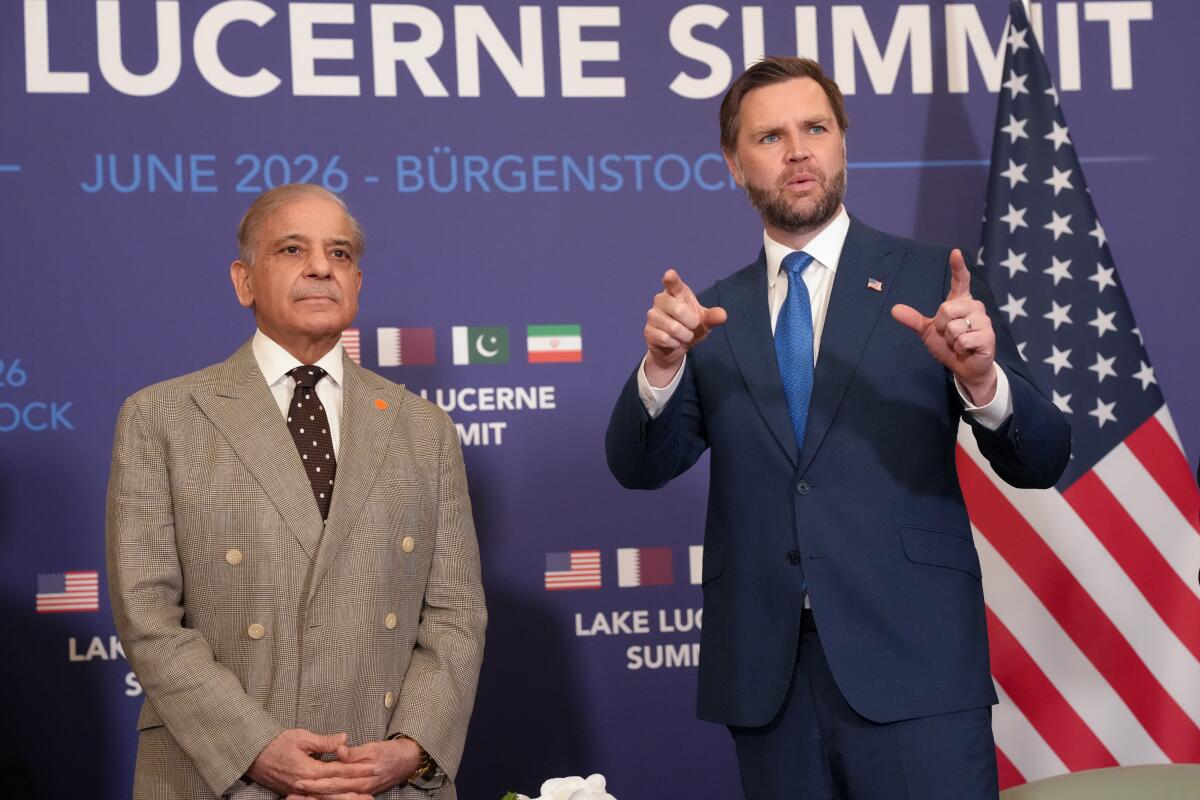
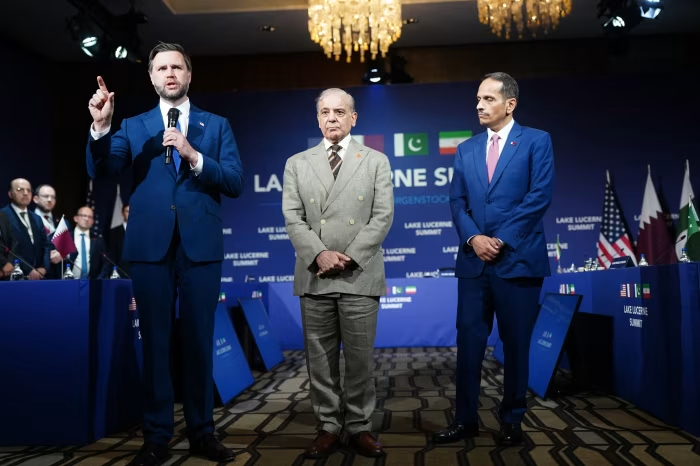
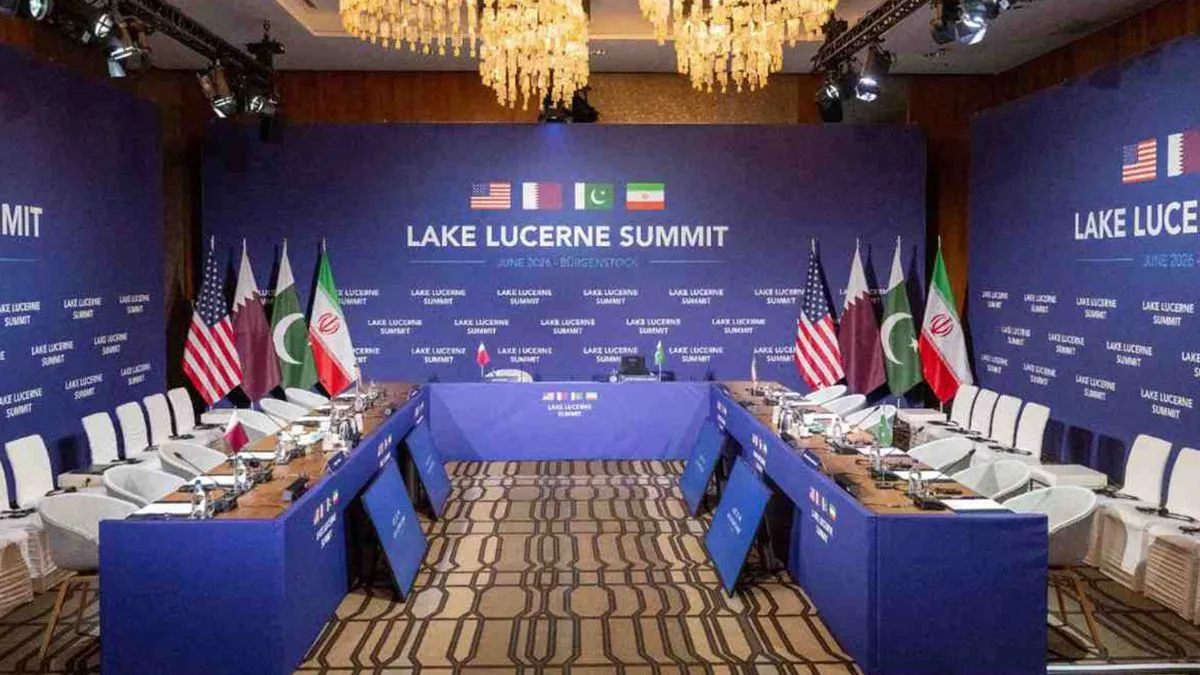
The talks, held at the Bürgenstock resort and mediated by Qatar and Pakistan, ended early Monday with what the mediators called "encouraging progress" and the "immediate commencement of technical talks," according to NPR. The two sides agreed to seek a final deal within 60 days and to establish a communication line "to avoid incidents" in the Strait of Hormuz. For a conflict that only weeks ago risked dragging the region into a wider war, the shift from open fighting to a structured negotiating timetable is significant, but the agreement's foundations are notably thin.
What has actually been agreed
The diplomatic architecture rests on a memorandum of understanding signed on 17 June by the US and Iranian presidents, which established a 60-day extension of the ceasefire to negotiate final terms. According to reporting by Axios and Al Jazeera's account of the US version of the document, the MOU commits the parties to end military strikes, reopen the Strait of Hormuz to commercial shipping toll-free for 60 days, lift the US naval blockade of Iranian ports, and halt fighting on all fronts in Lebanon.
On the central question, Iran's nuclear program, the sides gave themselves 60 days to reach a technical agreement on down-blending Iran's highly enriched uranium and on freezing and monitoring the program going forward. Iran commits not to acquire a nuclear weapon, as it did under the 2015 JCPOA. Crucially, however, no enforcement mechanism has yet been decided, a gap that independent analysts will see as the agreement's central weakness. In parallel, the US has said it will discuss sanctions relief and the release of frozen Iranian funds, with relief expected to be tied to Tehran's compliance, alongside a proposed plan, with regional partners, of at least $300 billion for Iranian reconstruction.
This week's Switzerland round translated that framework into working mechanisms. US Vice President JD Vance said negotiators had made "a lot of good progress" on keeping the Strait of Hormuz open and on setting up a "coordination mechanism" to demine it. On Sunday he told reporters: "We've already made great progress over just the last few hours, and I expect that we'll make additional progress in the hours to come." The parties also agreed to create a "de-confliction cell" involving Lebanon, facilitated by Qatar and Pakistan, to lock in the end of military operations there.
Confirmed, claimed, and unresolved
A measure of caution is essential. The terms above come from the parties' own statements and mediators' readouts, not from independently verified implementation on the ground. "Agreed in a memorandum" is not the same as "carried out," and several of the hardest commitments, uranium down-blending, monitoring, the enforcement mechanism, remain to be negotiated in the technical talks now beginning. Optimistic characterisations from any government in a live negotiation should be read as positions, not guarantees.
The fragility was on open display. Even as talks proceeded, Trump threatened to "hit Iran very hard again" over Hezbollah, a warning that, according to CBS News and CNN, briefly disrupted the process, while Iran's top negotiator said the country's military was "ready to respond." That a single statement could rattle the talks illustrates how shallow the trust between the sides runs.
Why it matters strategically
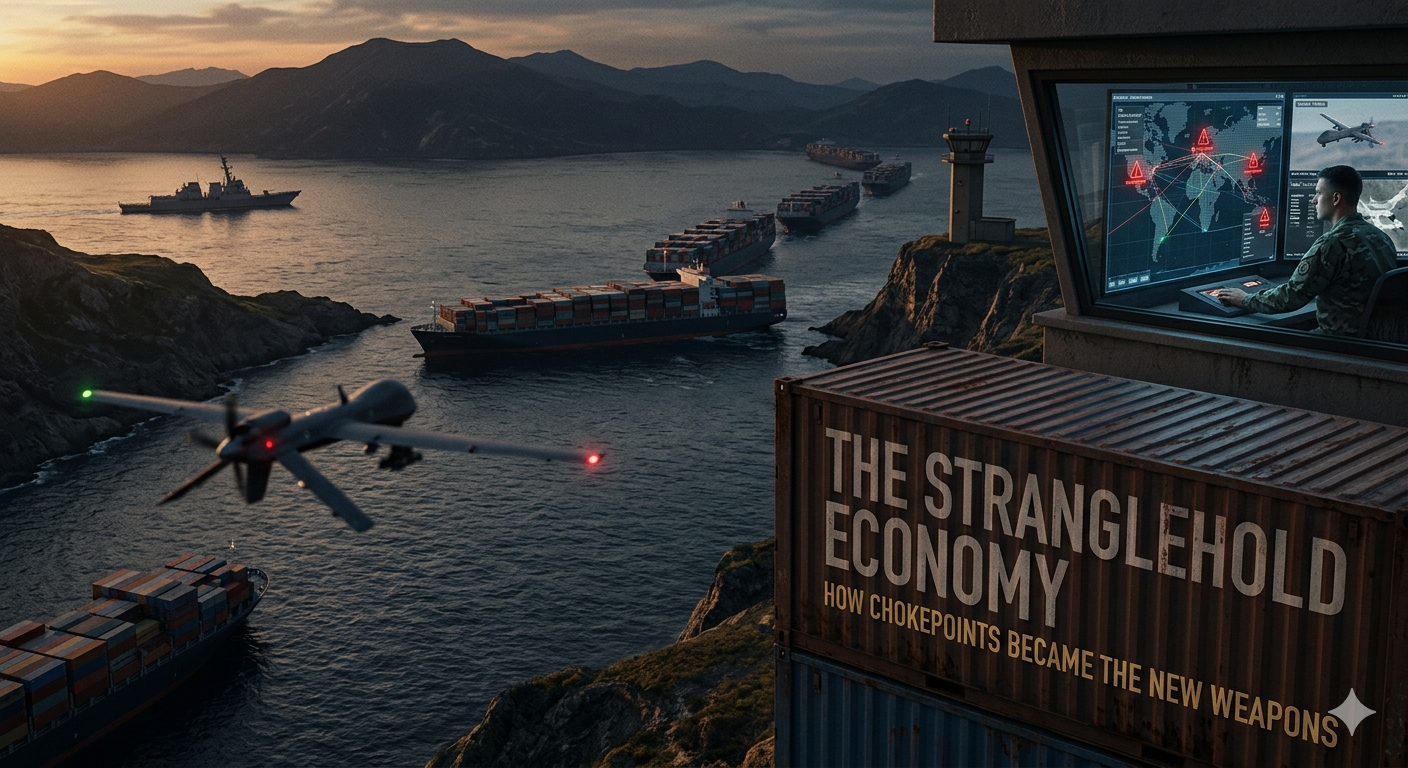
The stakes extend well beyond the two capitals. The Strait of Hormuz is the world's most important oil chokepoint, and its closure during the conflict helped drive the energy-price spike that has rippled through global inflation and central-bank policy. A toll-free reopening and a demining mechanism, if implemented, would ease that pressure directly. The Lebanon de-confliction cell, meanwhile, targets one of the conflict's most dangerous escalation paths, where fighting involving Hezbollah has repeatedly threatened to widen the war.
Yet the underlying logic is one of leverage, not resolution. The ceasefire buys 60 days; it does not settle the nuclear question, the sanctions architecture, or the regional proxy conflicts that drove the war. Each side retains the capacity, and, as the week showed, the willingness to signal the intent, to walk away.
What's next
The next 60 days are decisive. Watch whether the technical talks produce a credible, enforceable mechanism for monitoring Iran's uranium, the issue most likely to make or break a final deal, and whether the Hormuz reopening and Lebanon de-confliction cell hold in practice rather than on paper. Watch, too, whether rhetoric from either capital triggers the kind of incident the new communication line is meant to prevent. The road map is real progress; whether it leads to a durable peace or merely a pause depends on commitments that have not yet been tested.
(Forward-looking assessment, based on the parties' and mediators' statements to date.)