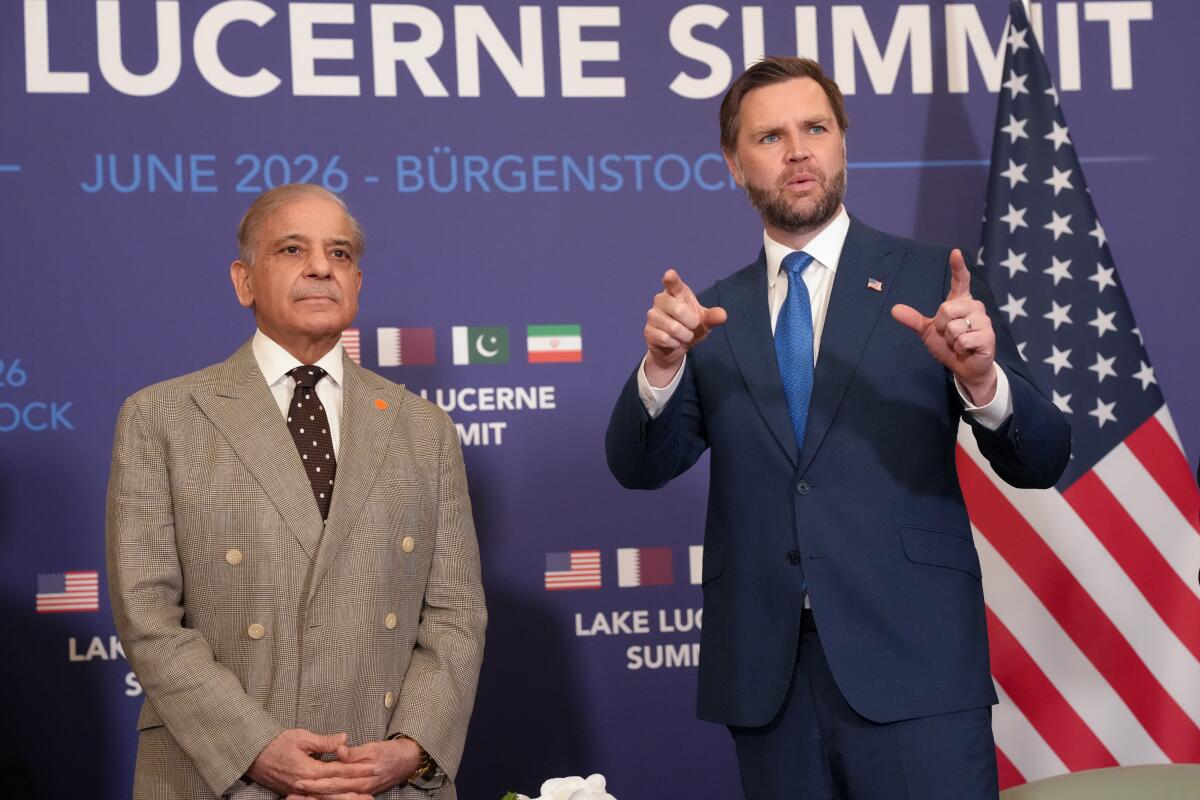
A day after US and Iranian negotiators agreed a 60-day "road map" toward ending their war, the process lurched between breakthrough and breakdown, capturing, in a single weekend, both the promise and the fragility of the ceasefire.
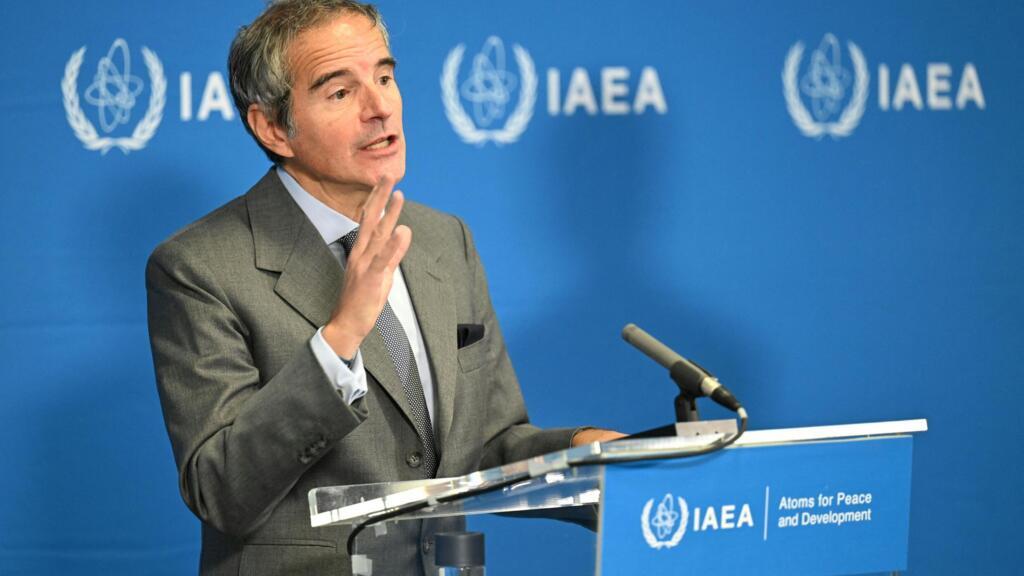
On the positive side of the ledger, Iran agreed to invite International Atomic Energy Agency inspectors back into the country, a step US Vice President JD Vance described as a major milestone and "the first step in permanently ending a nuclear weapons program in Iran," according to NBC News. Yet within the same window, talks in Switzerland stalled, and Iran warned it would once again close the Strait of Hormuz, accusing the United States and Israel of violating the agreement. The truce, in other words, is advancing and unravelling at the same time.
The breakthrough: inspectors return
The most concrete gain concerns verification, the very issue that has historically sunk US-Iran agreements. By agreeing to readmit IAEA inspectors, Tehran is offering the international monitoring that any durable nuclear deal requires. The agency's inspectors are the mechanism by which the world can check whether Iran is honouring commitments on uranium enrichment and its stockpile of highly enriched material, rather than taking either government's word for it.
It is worth being precise about what this is and is not. An invitation to inspectors is a process step, not a settlement: it restores the ability to verify, but it does not by itself cap enrichment or remove existing stockpiles, which remain to be negotiated. The structure now being built around the talks reflects that. According to reporting on the negotiations, chief negotiators will report to a High Level Committee overseeing working groups on three tracks: nuclear, sanctions, and a monitoring and dispute-resolution group, with the aim of reaching a final deal within 60 days. The architecture is serious; whether it holds is another question.
The breakdown: Hormuz, again
Against that progress came a pointed threat. Iran said it would close the Strait of Hormuz again, accusing the US and Israel of breaching the memorandum of understanding, specifically, it argued, because Israeli troops had not withdrawn from southern Lebanon. The talks in Switzerland stalled over that cluster of issues: the status of the strait, the Lebanon ceasefire, and the nuclear file.
This is the same chokepoint the road map was meant to secure. The 17 June memorandum committed the parties to reopen Hormuz toll-free to commercial shipping; a renewed closure threat strikes directly at one of the deal's headline deliverables. It also illustrates how tightly the strands are bound together: Iran is explicitly linking the maritime and nuclear tracks to events in Lebanon, meaning a stall on one front can freeze all of them. A ceasefire built on so many interdependent commitments is only as strong as its weakest link.
Confirmed, claimed, and unresolved
Caution remains essential, and the events of the weekend underline why. Both the breakthrough and the threat come from the parties' own statements rather than from independently verified facts on the ground. Iran's pledge to readmit inspectors is, for now, an agreement to do so, its value will be measured by whether inspectors actually gain access, and to what. Vance's characterisation of that pledge as a step toward "permanently ending" Iran's weapons program is the assessment of one party to a live negotiation, not an established outcome.
The same applies in reverse to the warnings. Iran's threat to close Hormuz is a stated intention, not an action taken; its accusation that Washington and Israel violated the MOU is a claim, and the question of whether Israeli forces were obliged to have withdrawn from southern Lebanon by now is precisely the kind of disputed term these talks exist to resolve. Reading either side's statements as fact, in either direction, would be a mistake.
Why it matters
The stakes are the same as they were a day ago, only sharper. The Strait of Hormuz is the world's most important oil chokepoint, and the mere threat of closure can move energy prices, feeding back into the global inflation picture that has already pushed central banks toward caution. The return of IAEA inspectors, if realised, would be one of the most significant nuclear-transparency steps in years. Both possibilities are now live simultaneously, which is why the next phase of talks carries such weight.
The weekend also exposed the central design flaw the ceasefire has carried from the start: there is still no agreed enforcement mechanism, and the parties disagree about whether the deal is already being honoured. When each side can accuse the other of violations and threaten to walk, the absence of a neutral arbiter to adjudicate becomes the most dangerous gap in the agreement.
The regional tripwire
What makes this standoff so combustible is that the dispute did not begin over the nuclear file at all, but over Lebanon. Iran's stated grievance is that Israeli troops have not withdrawn from the south of the country, and it has used that complaint to justify threatening a chokepoint thousands of kilometres away. That linkage is the heart of the danger: the conflict is not a single negotiation but a web of interlocking ones, in which an unresolved troop withdrawal can be converted into pressure on oil shipping, which in turn can be converted into pressure on the nuclear talks. The mediators from Qatar and Pakistan exist precisely to keep those strands from snapping together, but the weekend showed how quickly a problem on one can travel to all the others. For now, the fighting has not resumed, but the tripwires are clearly still live.
What's next
The immediate test is whether the technical talks in Switzerland restart and whether the IAEA actually regains access — the clearest signal that the nuclear track is real. Watch, too, whether Iran follows through on the Hormuz threat or uses it as leverage to extract movement on Lebanon, and whether the new monitoring and dispute-resolution group can defuse exactly the kind of mutual-violation standoff that stalled the talks this weekend. The road map survived its first serious stress test, but only just. Progress and peril are now running on the same clock.
(Forward-looking assessment, based on the parties' and mediators' statements to date.)