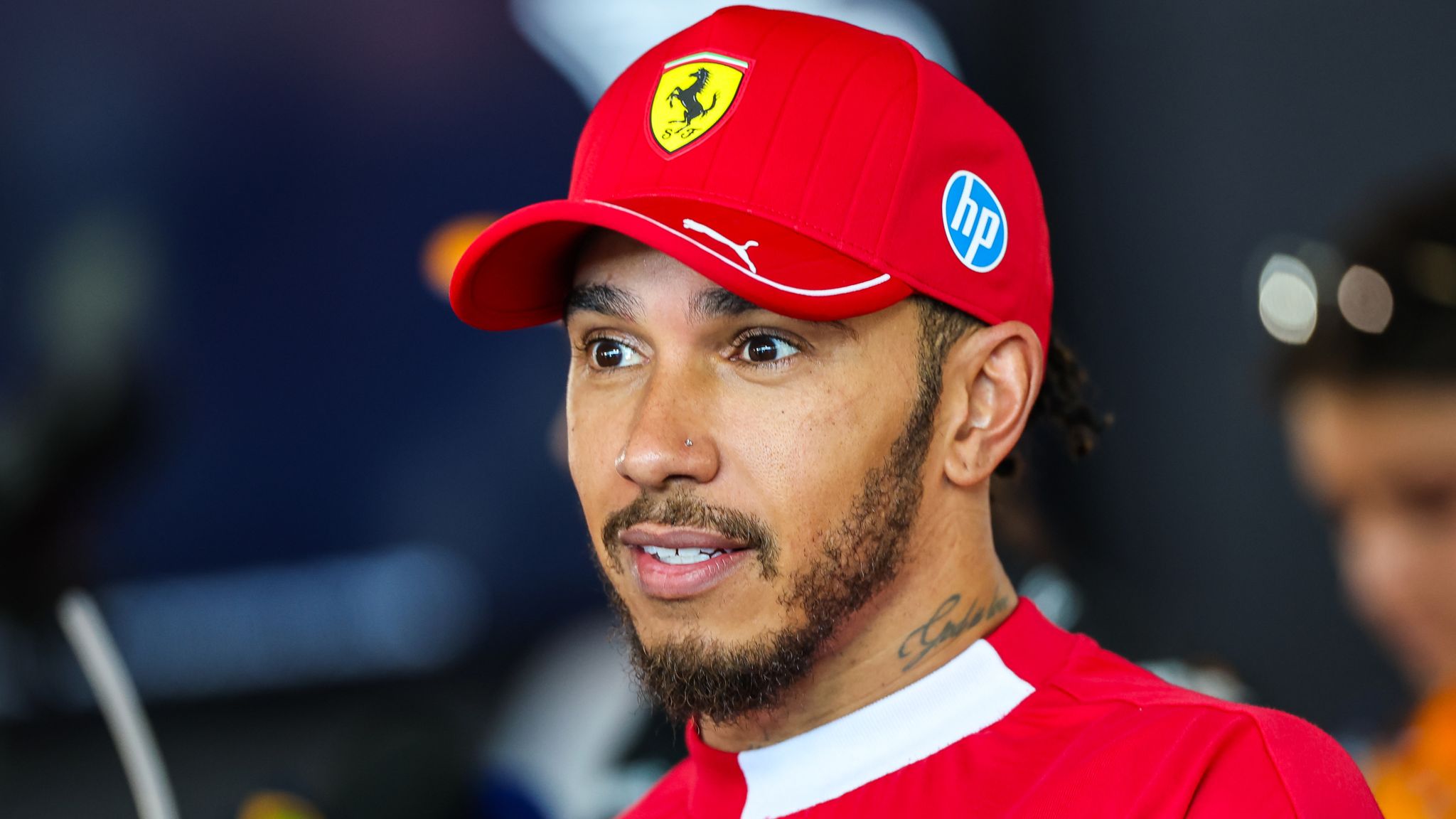
Formula 1 returns this week at the Red Bull Ring for the Austrian Grand Prix, and for the first time in 2026 it does so with Lewis Hamilton looking like a genuine title contender. The seven-time champion arrives in Styria off the back of his maiden victory for Ferrari at the Spanish Grand Prix, a result that has transformed the narrative of his move to Maranello and turned Round 8 into the first real test of whether that win was a breakthrough or a one-off.
The stakes are defined by the gap. Hamilton sits second in the drivers' standings on 115 points, 41 behind the championship leader, Mercedes' Kimi Antonelli, on 156. Forty-one points is not insurmountable with a long season still to run, but it is the kind of deficit that only closes if Ferrari can string together the sort of weekend it managed in Barcelona, and do it repeatedly. Austria, a short, punchy lap where small margins are magnified, is where we find out if it can.
How Hamilton got here
The Spanish win did not come from nowhere. It was the culmination of a steadily building run that represents Hamilton's strongest sequence since joining Ferrari: his first podium for the team came in China, his first runner-up finish in Canada, a result he matched in Monaco, before the standout drive to victory in Barcelona. Four results, each better than or equal to the last, exactly the trajectory a driver and team need when chasing a deficit.
What makes Barcelona especially significant is the manner of it. According to Formula 1's own analysis, Ferrari's pace there was nearly two seconds a lap quicker than Mercedes', a chasm in a sport usually decided by tenths. If that pace is real and repeatable rather than a quirk of the Circuit de Barcelona-Catalunya's particular demands, it reframes the second half of the season: it would mean the fastest car in the field belongs to the driver chasing, not the one leading.
The championship picture
The standings carry a twist that sharpens the intrigue. While Hamilton chases in the drivers' table, it is Mercedes, not Ferrari - that leads the constructors' championship, on 262 points to Ferrari's 190, with McLaren third on 141. That gap reflects the consistency Mercedes has banked through Antonelli's strong season, and it is the cushion that lets Toto Wolff's team absorb a fast-but-not-yet-dominant Ferrari.
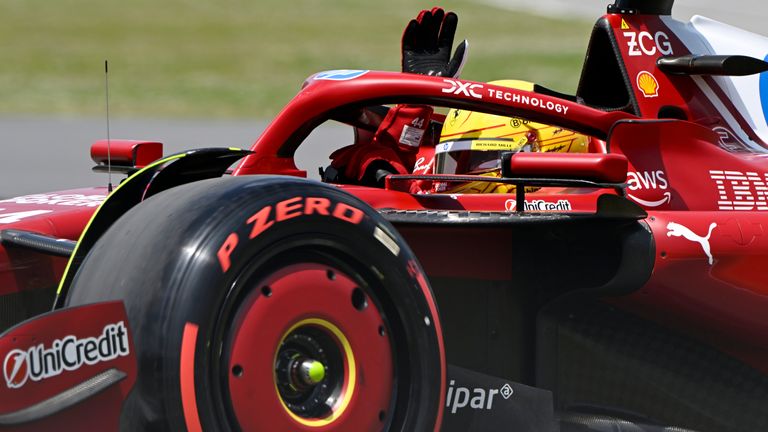
It also sets up the central tension of the weekend. Mercedes does not need to out-pace Ferrari in Austria so much as avoid handing back its lead through error. As F1 noted heading into the race, the first concern for Wolff's team may simply be a clean weekend free of the technical problems that can undo a points advantage in a single afternoon. Ferrari has the opposite imperative: it needs to convert pace into points, and quickly, before Antonelli's lead hardens into something a fast car alone cannot overturn.
Pace versus points — the test that matters
This is the real question Austria poses, and it is one of the oldest in motorsport: raw speed and a championship are not the same thing. A car that is two seconds a lap quicker on one Sunday means little if it cannot deliver across qualifying, strategy, tyre management, and reliability week after week. Ferrari's season has, until Barcelona, been a story of flashes rather than sustained execution. Turning that around, qualifying at the front, managing races from the lead, and avoiding the operational mistakes that have cost it before, is the discipline that separates a contender from a highlight reel.
For Hamilton, the personal dimension is impossible to ignore. His move to Ferrari was the biggest driver transfer in recent memory, freighted with the expectation of marrying the sport's most successful driver to its most storied team. The Barcelona win was the first tangible proof the project can work. A strong Austrian weekend would begin to make it a pattern; a stumble would invite the familiar questions about whether the package can sustain a genuine title fight.
Home turf and the midfield watch
There is an added layer of theatre in the venue itself. The Red Bull Ring is the home circuit of the team it is named after, and a partisan, grandstand-packed crowd lends the weekend an atmosphere unlike most on the calendar, the kind of stage on which momentum, and mistakes, are amplified. The layout, too, rewards a specific blend of strong traction out of slow corners and stability under heavy braking, and it punishes any car that is hard on its tyres over a short lap, making it a revealing barometer of whether Ferrari's Barcelona form was circuit-specific or genuine.
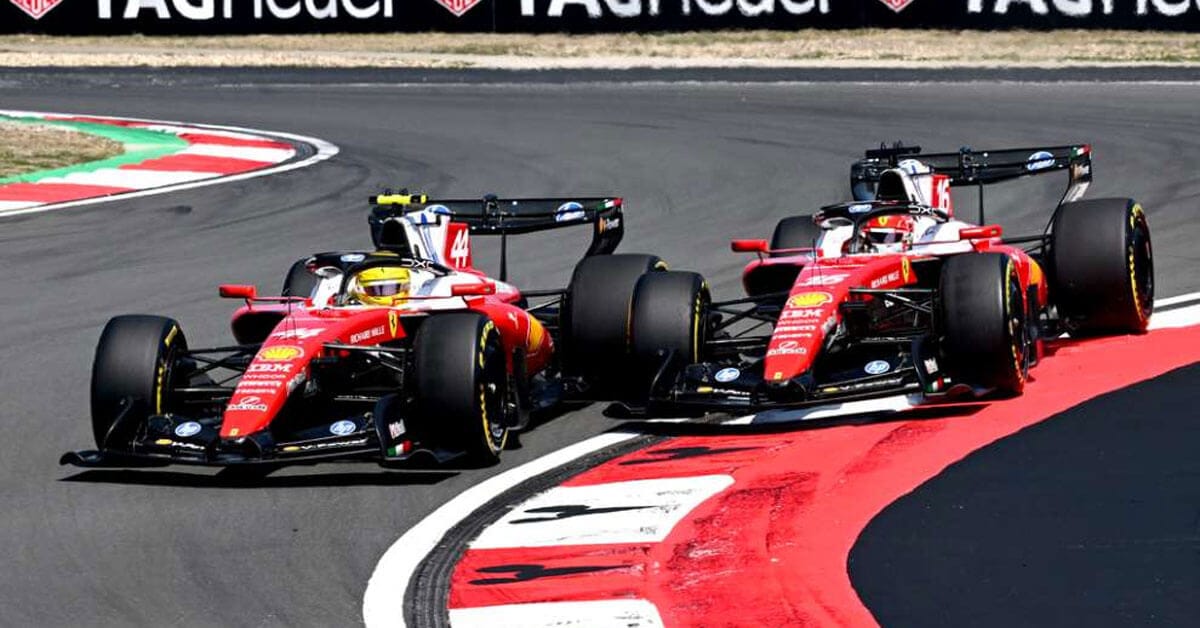
It is also worth keeping an eye on the team running third. McLaren, on 141 points, sits close enough to capitalise on any friction at the front: if Ferrari and Mercedes trip over each other, a well-executed McLaren weekend could quietly close the constructors' gap. Championships are often shaped as much by the cars lurking behind the headline duel as by the duel itself, and Austria offers exactly the kind of unpredictable, narrow circuit where a third force can make its presence felt.
What's next
The Austrian Grand Prix runs over 71 laps at the Red Bull Ring, with lights out scheduled for 15:00 local time on Sunday, 28 June. Watch qualifying first: on a lap this short, grid position and clean air are everything, and whether Ferrari's Barcelona pace shows up over a single flying lap will tell us a great deal. Watch, too, whether Mercedes can convert its constructors' cushion into a controlled, error-free weekend, and whether Antonelli can answer Hamilton's surge with a result of his own. The deficit is 41 points. Austria is where Hamilton and Ferrari start trying to make it smaller, or where Mercedes reasserts that pace, on its own, is not enough.