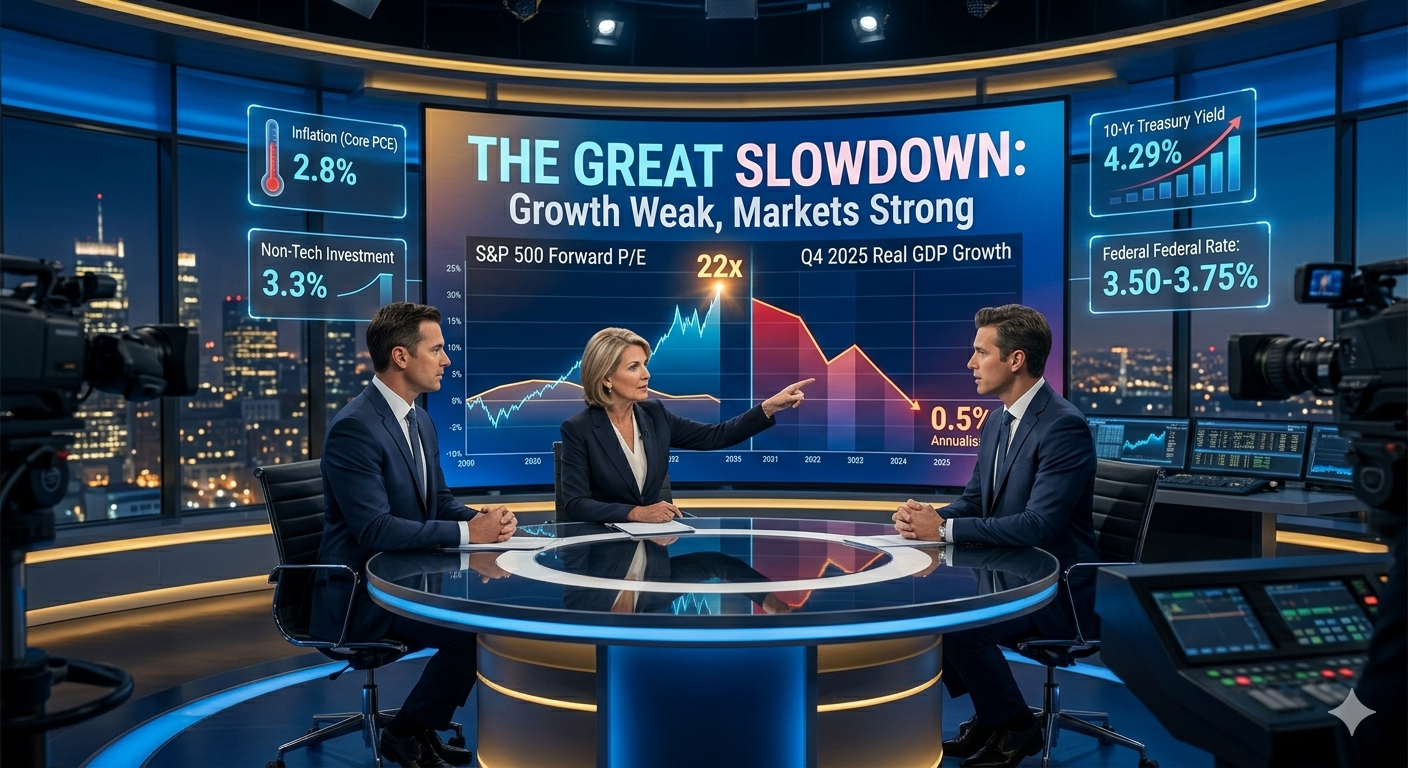
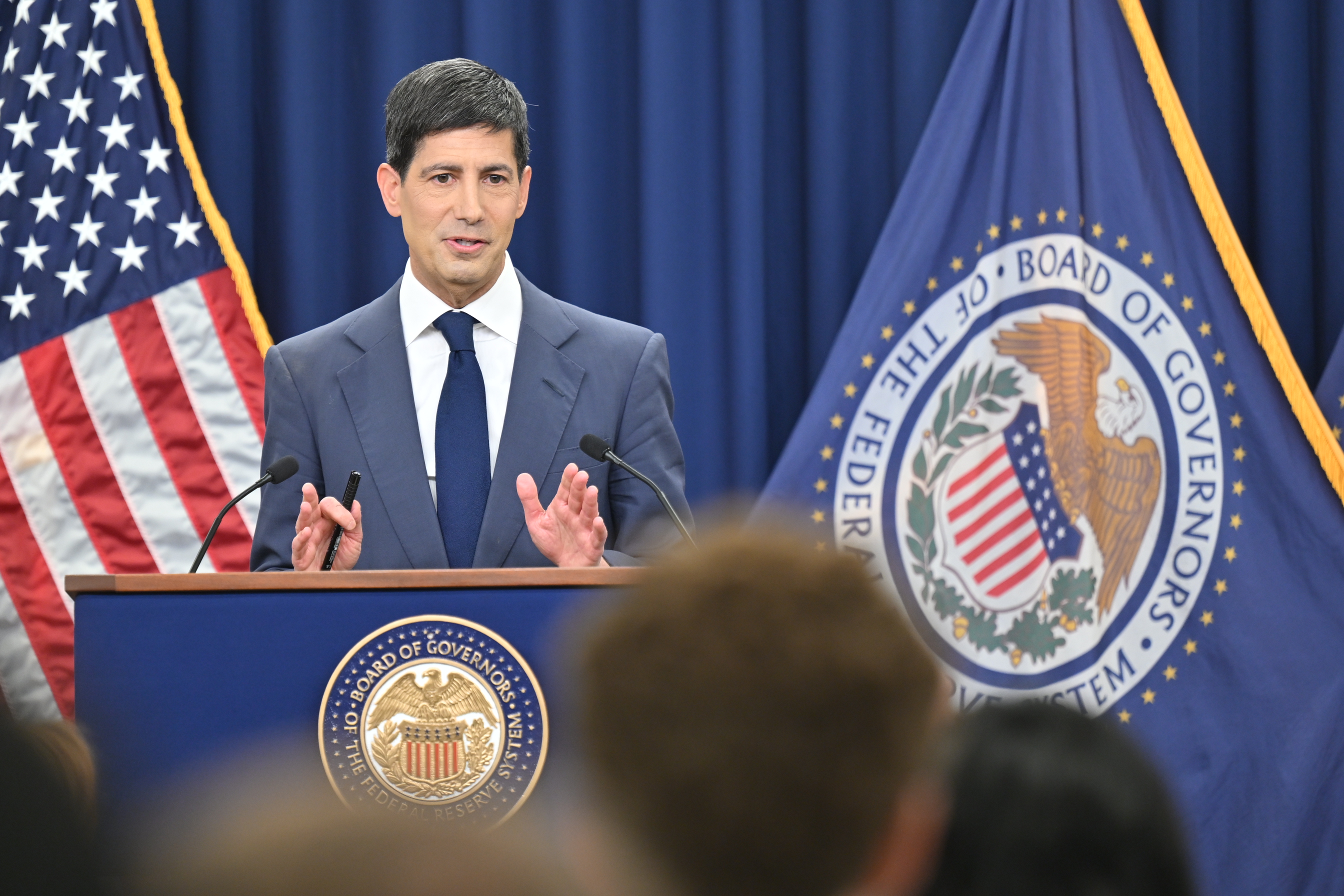
The Federal Reserve left its benchmark interest rate unchanged on 17 June, holding the target range at 3.50–3.75 percent. On paper, nothing happened. In practice, it was one of the most consequential meetings in months, because the message around the decision, and the man delivering it, pointed in a direction markets had spent the year betting against.
This was Kevin Warsh's first meeting as Fed chair, and he used it to plant a flag. Where investors entered 2026 expecting one or two rate cuts, they left this meeting confronting the opposite possibility. The Fed's own projections now show half the committee anticipating a rate increase before the year is out. The pivot is not in the policy rate, which did not move. It is in expectations, and expectations are what move money.
The number that matters
The single most revealing figure was not the rate itself but the "dot plot," the chart in which each of the Fed's 18 officials marks where they expect rates to go. Nine of them now see rates rising in 2026. That is a striking shift from the start of the year, when the consensus pointed to modest easing, and it reframes the entire second-half outlook.
The reasoning is in the Fed's own language. The FOMC statement described economic activity as "expanding at a solid pace," with strong capital investment and job gains keeping pace with the workforce. The problem is the other half of the mandate: inflation "remains elevated" relative to the central bank's 2 percent goal, driven in part by supply shocks, energy prominent among them, tied to conflict in the Middle East. A central bank that sees a sturdy economy and sticky prices does not cut rates. If anything, it leans the other way.
Why a new chair changed the tone
Warsh did not soften the message. Across his first press conference he returned repeatedly to "price stability," a phrase central bankers use to signal that taming inflation takes priority over supporting growth or markets. Coming from a chair widely read as hawkish, the emphasis landed as a statement of intent rather than routine caution.
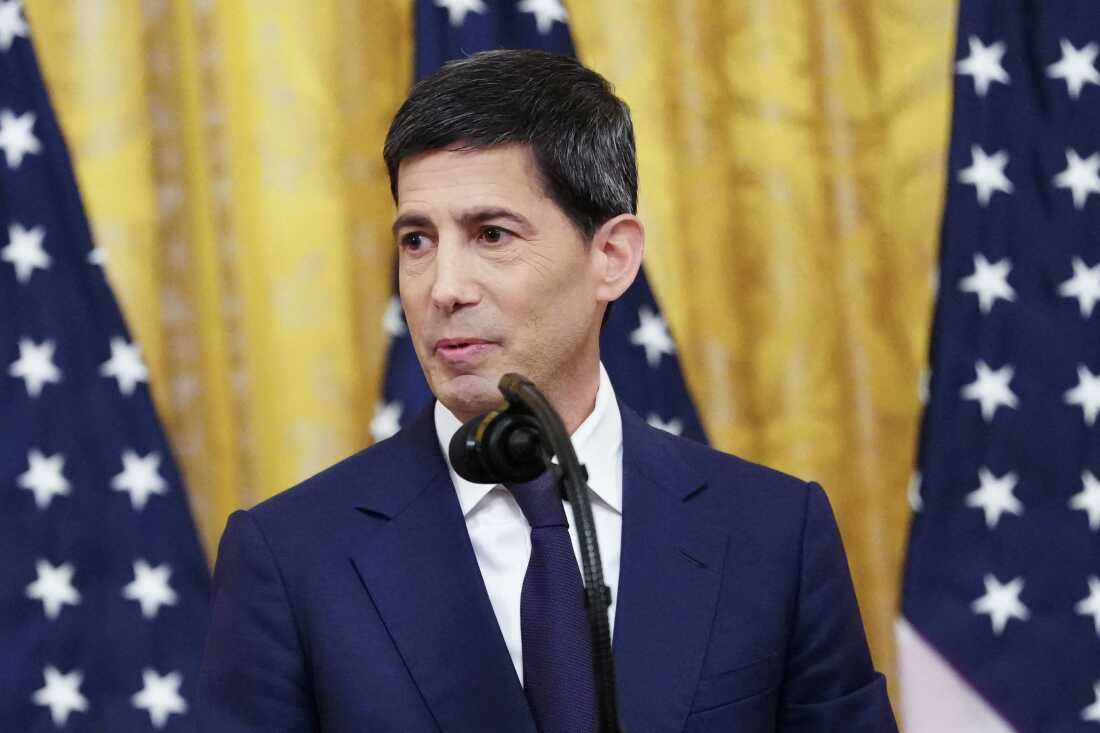
Markets took it personally. The S&P 500 fell 1.21 percent on the day. Its worst performance on the first "Fed day" under a new chair since 1994, according to TheStreet. The small-cap Russell 2000, more sensitive to borrowing costs, dropped 0.8 percent. A sell-off of that character - broad, immediate, led by rate-sensitive stocks, is the market's way of repricing the cost of money higher.
How the mechanism works
The logic connecting a steady rate to a falling stock market runs through expectations. Equity prices reflect the present value of future profits, and that value shrinks when the interest rate used to discount it rises, or even when investors merely expect it to rise. So the Fed did not need to hike to tighten financial conditions; it only had to convince markets a hike is plausible. The dot plot and Warsh's tone did exactly that.
The trigger underneath it all is energy. Earlier in the year, with inflation drifting down, one to two cuts looked reasonable. Then energy prices climbed on the back of Middle East conflict, feeding back into headline inflation and supply costs. That is the supply shock the statement referenced, and it is why the easing path investors had penciled in has been, for now, erased.
Who feels it
For households, "higher for longer" means mortgages, car loans, and credit-card balances stay expensive, and the relief many expected later in 2026 may not arrive. For businesses, the cost of borrowing to invest or refinance holds at elevated levels, a particular strain on smaller firms, which helps explain why small-caps led the decline. For investors, the era of pricing in cuts is over for the moment; the risk now runs the other way, and portfolios built for falling rates face a less forgiving backdrop.
There is a regional and global dimension too. A hawkish Fed tends to support the dollar, which raises costs for emerging-market borrowers holding dollar debt and complicates other central banks' own decisions. Warsh's tone will be read closely well beyond Washington.
What to watch
The path from here is not set, and the Fed went out of its way to keep its options open. The decisive variable is energy: if Middle East tensions ease and prices retreat, the inflation impulse fades and the hawkish guidance can quietly soften. If they do not, the dot plot's hint hardens into an actual hike. Either way, the burden of proof has flipped. Markets spent the first half of 2026 waiting for the Fed to cut. They will spend the second half watching, warily, to see whether it raises. (Forward-looking; not a forecast of a specific decision.)